Category: Articles

  • Countryway Insurance Review

    Insurance Company Review

    Countryway Insurance is a regional property and casualty insurance company focused on serving farms and rural communities through independent insurance agencies. The company provides personal insurance products designed for customers in its service areas, including automobile, homeowners, and farmowners coverage.[1]

    This Countryway Insurance review examines coverage options, discounts, cost factors, financial stability, customer service, advantages, limitations, and how the company compares with larger national insurers.

    Quick Summary

    Countryway Insurance at a Glance

    A quick overview of Countryway Insurance and the customers it may fit best.

    Company Type

    Regional property and casualty insurance company.

    Best For

    Rural customers who prefer local agent support.

    Main Products

    Auto, homeowners, farmowners, and personal insurance coverage.

    Headquarters

    Richmond, Virginia.

    Company Background

    About Countryway Insurance

    Countryway Insurance Company specializes in insurance solutions for rural customers and agricultural communities. The company states that it focuses on the insurance needs of farms and rural communities in eight northeastern U.S. states and Kentucky while distributing products through independent professional insurance agencies.[1]

    Unlike large national insurers that primarily compete through nationwide advertising and digital platforms, Countryway follows a more traditional agent-based approach. This allows customers to work with local insurance professionals who can help explain coverage options and policy details.

    The company’s product portfolio includes automobile insurance, homeowners insurance, and farmowners insurance designed for eligible customers in its service areas.[1]

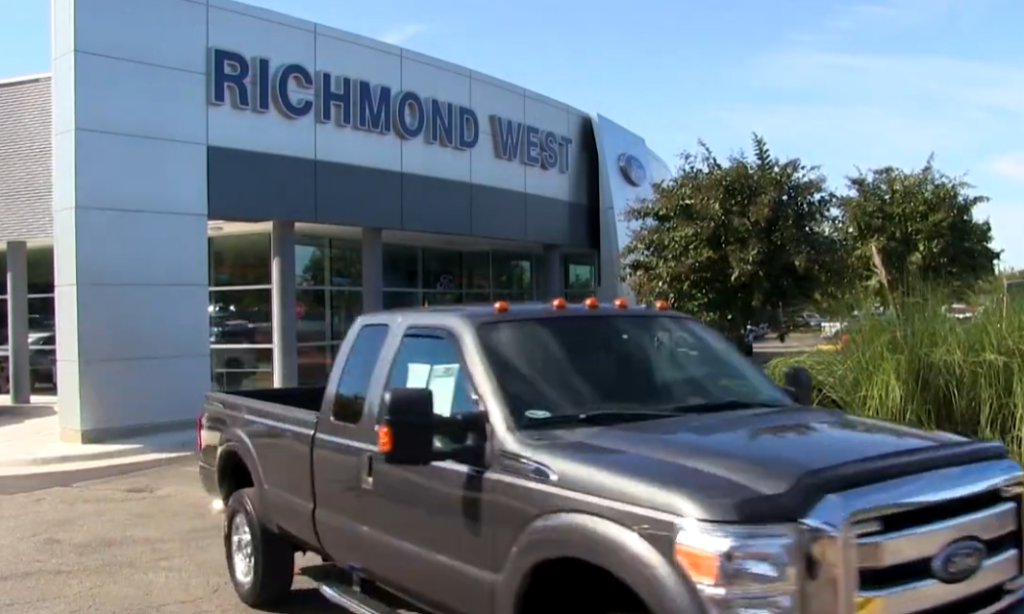
    Countryway Insurance local agent office in Richmond Virginia
    Availability

    Where Does Countryway Insurance Operate?

    Countryway Insurance is not a nationwide carrier. The company focuses on selected regional markets and serves rural communities in eight northeastern states and Kentucky.[1]

    Because insurance availability depends on location and product type, customers should contact a local Countryway agent to confirm whether coverage is offered in their area.

    Category Details
    Headquarters Richmond, Virginia
    Service Model Independent professional insurance agencies
    Primary Focus Farms, rural communities, homes, and personal vehicles
    Availability Selected northeastern states and Kentucky
    Company Evaluation

    Is Countryway Insurance a Good Company?

    Countryway may be a good option for customers who value personalized service, local agent relationships, and an insurer familiar with rural insurance needs.

    However, customers who prioritize nationwide availability, instant online quotes, or advanced mobile applications may prefer comparing Countryway with larger insurance companies.

    Potential Strengths

    • Specialized focus on rural insurance markets.
    • Independent agent network.
    • Multiple personal insurance products.
    • Local customer service approach.

    Potential Limitations

    • Limited geographic availability.
    • Fewer digital tools than some national insurers.
    • Quotes may require agent assistance.
    Coverage Options

    Countryway Insurance Products and Coverage

    Countryway provides several insurance products designed for customers in its service areas.[1]

    Auto Insurance

    Countryway offers personal automobile insurance options for rural drivers, including coverage choices designed around individual customer needs. [2]

    Because coverage needs can vary between drivers, comparing car insurance coverage options and protection levels can help determine which policy features match your situation.

    Homeowners Insurance

    Countryway homeowners insurance can provide protection for homes, personal property, personal liability, and other covered risks depending on the selected policy.[3]

    Because coverage needs vary between properties and homeowners, comparing available home insurance coverage options can help identify the protections that best match your situation.

    Farm Insurance

    Countryway offers farmowners coverage designed around rural properties, including protection options for farm-related risks and property. [1]

    Additional Coverage

    Depending on location and eligibility, Countryway may offer additional personal insurance solutions for customers seeking broader protection.

    Financial Strength

    Countryway Insurance Ratings and Financial Stability

    Financial strength is an important consideration when choosing an insurance company because policyholders depend on insurers to handle claims and meet financial obligations after covered losses.

    Customers evaluating Countryway should review independent sources such as financial rating organizations, state insurance regulators, and consumer resources before choosing a provider.[2]

    Evaluation Area What Customers Should Review
    Financial Strength Independent financial ratings and company stability information.
    Consumer Complaints Complaint information from state regulators and insurance databases.
    Customer Experience Reviews, claims handling experiences, and agent support.
    Pricing Guide

    How Much Does Countryway Insurance Cost?

    Countryway Insurance premiums vary depending on multiple factors. There is no single price that applies to every customer because insurers calculate rates based on individual risk characteristics.

    Pricing Factor How It Can Affect Your Rate
    Location State, ZIP code, local risks, and regional claim patterns can affect prices.
    Coverage Limits Higher protection limits generally increase premiums.
    Deductibles Choosing different deductibles can change policy costs.
    Driving History Accidents, violations, and claims history may influence auto insurance rates.

    Drivers comparing rates should avoid focusing only on the lowest premium and consider ways to find lower-cost car insurance while maintaining the coverage they need.

    Savings Opportunities

    Countryway Insurance Discounts

    Available discounts depend on location, policy type, and customer eligibility. Common insurance savings opportunities may include:

    Discount Potential Benefit
    Multi-Policy Discount Combining multiple insurance products may help reduce overall costs.
    Multi-Vehicle Discount Customers insuring multiple vehicles may qualify for savings.
    Safety Features Protective devices may reduce certain insurance risks.
    Claim-Free History A history with fewer claims may help eligible customers save.
    Comparison

    Countryway Insurance vs State Farm, GEICO, and Progressive

    Countryway competes differently from large national insurance companies. While State Farm, GEICO, and Progressive offer nationwide availability and large digital platforms, Countryway focuses on regional customers and local agent relationships.

    Feature Countryway National Insurers
    Availability Regional markets. Nationwide availability.
    Service Model Independent insurance agencies. Agents, call centers, and digital platforms.
    Digital Experience More traditional agent-based approach. Usually stronger online tools and mobile apps.
    Best Fit Customers seeking local rural insurance expertise. Customers prioritizing technology and convenience.
    Evaluation

    Countryway Insurance Pros and Cons

    Pros

    • Strong focus on rural insurance needs.
    • Independent agent relationships.
    • Multiple personal insurance products.
    • Personalized customer service approach.
    • Farm and rural property experience.

    Cons

    • Limited availability compared with national carriers.
    • May have fewer digital tools than larger insurers.
    • Not available in every state.
    • Customers may need agent assistance for some services.
    Customer Support

    Countryway Insurance Customer Service and Claims

    Customer service is an important part of any insurance decision because policyholders rely on their insurer during accidents, property damage, and other unexpected events.

    Countryway supports customers through its independent agency network. Policyholders should contact their agent or the company directly for claim reporting procedures and available support options.[1]

    Local Agents

    Customers can receive guidance from independent insurance professionals.

    Claims Assistance

    Policyholders can request help with claims through available company channels.

    Personal Support

    An agent-based model may appeal to customers who prefer human assistance.

    Final Review

    Is Countryway Insurance Worth It?

    Countryway Insurance may be worth considering for customers who live in its service areas and prefer personalized support from local insurance agents. Its rural market focus helps distinguish it from larger national insurers.

    However, customers who want nationwide availability, instant online quotes, or advanced digital tools may prefer comparing Countryway with other providers.

    The best insurance choice depends on your location, coverage needs, budget, and preferred customer service experience. Understanding available car insurance coverage options can make it easier to compare regional insurers with larger providers.

    FAQ

    Frequently Asked Questions About Countryway Insurance

    Is Countryway Insurance a legitimate company?

    Yes. Countryway Insurance is a regional insurance company that provides property and casualty insurance products through independent agencies. [1]

    What states does Countryway Insurance cover?

    Countryway operates in selected markets rather than nationwide. Customers should contact a local agent to confirm availability in their area. [1]

    Does Countryway offer auto insurance?

    Yes. Countryway provides automobile insurance options for eligible customers in its service areas. [2]

    Does Countryway offer homeowners insurance?

    Yes. Countryway offers homeowners insurance designed to protect eligible properties and personal risks. [3]

    Is Countryway cheaper than GEICO or Progressive?

    Insurance pricing depends on many factors. Customers should compare multiple quotes because the lowest-cost insurer varies depending on personal circumstances.

    Insurance Comparison Guide

    Compare Coverage Before Choosing an Insurance Company

    Countryway may be a good fit for customers looking for rural insurance expertise and local agent support. Comparing coverage options can help you find the right balance between protection, price, and service.

    Explore Insurance Coverage Options

    References

    1. Countryway Insurance official company information: Countryway.com
    2. National Association of Insurance Commissioners consumer resources: NAIC
    3. Insurance Information Institute consumer insurance resources: Insurance Information Institute
  • Good Sam Roadside Assistance

    Roadside Assistance Guide

    Good Sam Roadside Assistance Review

    Good Sam Roadside Assistance provides 24/7 emergency support for drivers, RV owners, and travelers who want protection against unexpected roadside problems.

    The program offers different membership levels with towing, battery service, flat tire assistance, fuel delivery, and travel-related benefits. This review explains Good Sam plans, coverage options, costs, advantages, limitations, and how the service compares with other roadside assistance programs.

    Good Sam may be a strong fit for:
    • RV owners who need specialized roadside protection
    • Frequent travelers spending significant time on the road
    • Drivers comparing standalone roadside memberships with insurance-based options
    24/7 Assistance RV Coverage Vehicle Protection U.S. & Canada Coverage
    Quick Overview

    Good Sam Roadside Assistance at a Glance

    Good Sam is designed for drivers who want emergency roadside protection, especially RV owners and frequent travelers who need broader vehicle coverage.

    Best For

    RV owners, road travelers, and families needing nationwide roadside protection.

    Main Services

    Towing, battery assistance, flat tire service, fuel delivery, and lockout help.

    Coverage Area

    Available across the U.S., Canada, Mexico, Puerto Rico, and U.S. Virgin Islands.

    Main Advantage

    Strong RV-focused benefits and coverage for multiple vehicle types.

    Understanding The Service

    What Is Good Sam Roadside Assistance?

    Good Sam Roadside Assistance is an emergency vehicle assistance program designed to help drivers when unexpected breakdowns occur. Unlike traditional roadside programs focused mainly on personal vehicles, Good Sam has developed specialized options for RV owners, campers, and travelers.

    Members can request assistance for situations such as vehicle breakdowns, flat tires, dead batteries, lockouts, and emergency fuel needs. Depending on the selected plan, coverage may extend to cars, trucks, SUVs, motorcycles, trailers, and recreational vehicles.

    The program is especially popular among RV owners because certain plans include features designed around larger vehicles and long-distance travel.

    Good Sam stands out for RV-focused protection.

    Unlike many basic roadside programs, certain Good Sam plans are designed around larger vehicles, trailers, and long-distance travel needs.

    Drivers who prefer combining roadside protection with their auto policy should consider how car insurance with roadside assistance options may affect both premium costs and emergency protection.

    Plans & Coverage

    Good Sam Roadside Assistance Plans

    Good Sam offers different membership levels depending on whether you need basic vehicle protection or broader RV and travel benefits.

    Plan Best For Main Benefits
    Standard Drivers needing basic roadside protection Towing, battery assistance, flat tire service, fuel delivery, and lockout assistance.
    Platinum RV owners and frequent travelers Expanded vehicle coverage, RV support, family coverage, and additional travel benefits.
    Platinum Complete Drivers wanting maximum protection Includes Platinum benefits plus additional road hazard and travel assistance features.
    Good Sam roadside assistance helping a vehicle owner during a roadside emergency
    Coverage Details

    What Does Good Sam Roadside Assistance Cover?

    Towing Assistance

    Help transporting disabled vehicles to an appropriate repair facility.

    Battery Service

    Jump-start assistance when your vehicle battery fails.

    Flat Tire Support

    Help changing a flat tire or arranging additional assistance.

    Fuel Delivery

    Emergency fuel delivery when your vehicle runs out of gas.

    Lockout Service

    Support when keys are locked inside your vehicle.

    Travel Protection

    Selected plans include additional travel-related benefits.

    RV & Auto Protection

    Who Can Benefit From Good Sam Roadside Assistance?

    Good Sam can be a strong option for people who spend significant time traveling, own recreational vehicles, or want coverage that follows them across different vehicles.

    RV Owners

    Specialized features make Good Sam attractive for motorhomes, travel trailers, and fifth wheels.

    Frequent Travelers

    Drivers taking long trips may benefit from broader roadside support.

    Families

    Some plans include coverage options for spouses and dependent children.

    Pricing Guide

    How Much Does Good Sam Roadside Assistance Cost?

    The cost of Good Sam Roadside Assistance depends on the membership level, vehicle type, and available promotions. Plans are designed to provide different levels of protection for everyday drivers and RV owners.

    Standard Plan

    Basic roadside protection

    • Towing assistance
    • Battery jump-start service
    • Flat tire assistance
    • Fuel delivery
    • Lockout service

    Platinum Plan

    Popular choice for travelers

    • Expanded vehicle coverage
    • RV-related benefits
    • Additional travel protection
    • Family coverage options
    • More comprehensive assistance

    Platinum Complete

    Maximum roadside protection

    • Highest level of benefits
    • Broader vehicle protection
    • Enhanced travel assistance
    • Additional membership advantages

    Membership prices may change depending on promotions, renewal terms, and selected coverage options. Always review the current plan details before purchasing.

    Drivers comparing the total cost of roadside protection may also consider whether affordable car insurance with roadside assistance provides a better balance between monthly premiums and included benefits.

    Comparison

    Good Sam vs AAA Roadside Assistance

    Good Sam and AAA are two well-known roadside assistance providers. The best choice depends on your vehicle type, travel habits, and the benefits you value most.

    Feature Good Sam AAA
    Best For RV owners, campers, and frequent travelers General drivers looking for traditional roadside assistance
    RV Focus Strong RV-specific options and benefits Available, but less specialized
    Coverage Vehicle and member protection depending on plan Coverage varies by membership level
    Extra Benefits Travel and RV-related advantages Travel services and member discounts
    Ideal Customer People who spend significant time on the road Drivers wanting a widely recognized provider

    For RV owners, Good Sam may offer more specialized benefits. Drivers who mainly need standard roadside protection may prefer comparing both programs based on price, location availability, and included services.

    Drivers comparing roadside providers can also evaluate how State Farm roadside assistance plans differ in terms of availability, included services, and how the coverage is added to an auto policy.

    Evaluation

    Pros and Cons of Good Sam Roadside Assistance

    Good Sam’s strengths are mainly related to RV-focused protection and travel benefits, while some limitations may matter for drivers who only need basic roadside assistance.

    Advantages

    • Strong focus on RV owners and long-distance travelers.
    • Multiple plan options for different levels of protection.
    • Coverage designed for different vehicle types.
    • 24/7 roadside assistance availability.
    • Additional travel-related benefits on selected plans.

    Potential Limitations

    • May not provide the same local office network as AAA.
    • Service experiences can vary depending on the local provider.
    • Some benefits depend on the selected membership level.
    • Not every driver needs specialized RV-focused features.
    Member Experience

    Good Sam Roadside Assistance Reviews

    Customer experiences with roadside assistance programs can vary depending on location, service availability, and the type of emergency.

    Positive Feedback

    • Helpful roadside support during vehicle emergencies.
    • Good value for RV owners who travel frequently.
    • Convenience of having assistance available nationwide.

    Common Complaints

    • Longer waiting times in remote locations.
    • Different experiences with third-party service providers.
    • Confusion about plan limitations or exclusions.
    RV roadside assistance services for travelers
    Emergency Support

    Good Sam Roadside Assistance Phone Number and App

    When a roadside emergency happens, quick access to assistance is essential. Good Sam members can request service through available customer support channels and mobile tools.

    Emergency Assistance

    Members should use the official contact information available through their membership card or account when requesting roadside assistance, especially during an active emergency.

    Mobile App Features

    • Request roadside assistance.
    • Manage membership information.
    • Access account details.
    • Use digital membership information.
    FAQ

    Frequently Asked Questions About Good Sam Roadside Assistance

    Is Good Sam Roadside Assistance worth it?

    Good Sam can be valuable for RV owners, frequent travelers, and drivers who want additional roadside protection beyond standard auto insurance.

    Does Good Sam cover regular vehicles?

    Yes. Depending on the selected plan, Good Sam offers roadside assistance options for cars, trucks, SUVs, RVs, and other vehicles.

    Is Good Sam better than AAA?

    Neither program is best for everyone. Good Sam is often preferred by RV owners, while AAA may appeal more to drivers wanting traditional roadside services and local membership benefits.

    Does Good Sam provide towing assistance?

    Yes. Towing assistance is included in eligible Good Sam roadside plans, subject to membership terms and coverage limitations.

    Where does Good Sam Roadside Assistance operate?

    Good Sam provides roadside assistance throughout the United States and offers service availability in additional locations such as Canada and other covered areas.

    Roadside Protection

    Choose Coverage That Fits Your Driving Needs

    Whether you drive a daily vehicle or travel with an RV, comparing roadside assistance options can help you choose protection that matches your lifestyle.

    Explore Auto Coverage Options

    References

    1. Good Sam Roadside Assistance plan information: https://roadside.goodsam.com/ ↩
    2. AAA roadside assistance information: https://www.aaa.com/ ↩
    3. Better Business Bureau business information: https://www.bbb.org/ ↩
  • Car Insurance Discounts for Teachers

    Teachers may qualify for car insurance discounts, educator-specific benefits, association savings, and many of the same safe-driver or bundling discounts available to other motorists. The strongest deal is not necessarily the policy advertising the biggest teacher discount—it is the policy that gives you the right coverage at the lowest total price for your situation.

    Discount availability and eligibility vary by insurer, state, policy, and individual circumstances. Comparing equivalent coverage from several companies is the most reliable way to determine what you would actually pay.

    Can Teachers Get Discounts on Car Insurance?

    Yes. Some insurers currently offer savings or special auto insurance benefits specifically for teachers and other education professionals. Other companies may not have a dedicated teacher discount but may provide savings through eligible professional organizations, employer relationships, multi-policy discounts, safe-driving programs, or other qualifications.

    This distinction matters. A company with a teacher-specific program will not automatically be the cheapest insurer for every educator. Your premium can also depend on your driving record, location, vehicle, annual mileage, coverage limits, deductibles, prior insurance history, and other rating factors permitted in your state.

    The National Association of Insurance Commissioners recommends shopping around and comparing equivalent coverage because insurers can calculate premiums differently. It also advises consumers to ask directly about available discounts.[4]

    Teacher comparing car insurance discounts and coverage options

    Where Teachers Can Find Educator-Specific Auto Insurance Benefits

    Several insurers currently advertise programs intended specifically for educators. The table below focuses on verified teacher-oriented offerings rather than assuming that every large insurer provides an occupation discount.

    Provider Current educator-focused offering What teachers should verify
    Horace Mann Auto insurance designed around educators, available educator discounts, and the Educator Advantage package for eligible policyholders. Which discounts and Educator Advantage benefits are available in your state and under your policy.
    Liberty Mutual Teacher-specific auto insurance savings and benefits that may include protections related to school property, teaching materials, and certain school-business driving. Eligibility, state availability, covered circumstances, limits, and applicable deductibles.
    California Casualty Auto and home insurance aimed at educators and other public-service professionals, with educator-specific benefits in participating programs. Whether your employment or education association qualifies and which benefits apply where you live.

    Horace Mann states that it specializes in serving teachers, educators, and school employees and offers eligible policyholders its Educator Advantage package at no additional cost. Available discounts and benefits can vary by state.[1]

    Liberty Mutual currently advertises exclusive savings for teachers. Its teacher auto program may include a $0 deductible for covered vandalism on school property or at school-related events, coverage for eligible teaching materials or school-owned property in the vehicle up to specified limits, and deductible benefits for certain collisions while driving on school business. Terms and availability apply.[2]

    California Casualty also markets insurance specifically to educators. Among its advertised educator benefits is a $0 deductible in qualifying situations when an insured vehicle is hit or vandalized while parked at a school, school administrative office, or education association office.[3]

    If your main goal is comparing companies rather than discounts, see our guide to car insurance companies for teachers.

    Types of Car Insurance Discounts Teachers May Qualify For

    A teacher-specific discount is only one potential source of savings. Depending on the insurer, educators may qualify for several discounts at the same time.

    Educator or Occupation Savings

    Some insurers offer discounts or special programs because you work as a teacher, administrator, school employee, or another eligible education professional.

    Professional Association Savings

    Membership in an eligible teachers’ association, union, alumni organization, or professional group may provide access to an affinity or group discount.

    Multi-Policy Discounts

    Combining auto insurance with homeowners, renters, or another eligible policy can produce savings with many insurers.

    Combining auto insurance with other eligible policies may reduce premiums, with multi-policy insurance discounts for teachers varying based on the insurer, available policies, and qualification rules.

    Do You Need a Teacher Discount to Get a Good Rate?

    No. An insurer without a teacher-specific discount can still offer your lowest overall premium. This is why comparing the final price matters more than comparing advertised discount percentages.

    For example, one insurer could start with a higher base premium and then apply a teacher discount, while another could have a lower starting rate without any occupation discount. The second policy could still cost less.

    Compare the final premium, not just the discount. Use the same liability limits, deductibles, drivers, vehicles, and optional coverages for every quote. Otherwise, a cheaper quote may simply provide less protection.

    A cheaper quote may not provide the same value if lower premiums come from reduced protection, since auto insurance coverage limits affect the level of financial protection available after an accident.

    Common Discounts Worth Asking About

    The NAIC lists several types of auto insurance discounts that consumers may encounter. Not every insurer or state offers every discount, so teachers should ask which ones actually apply to their policy.[4]

    • Auto and home or renters bundling: Insuring multiple policies with the same company may reduce premiums.
    • Multi-vehicle discounts: Households insuring more than one eligible vehicle may receive a discount.
    • Safe-driver discounts: A clean driving history can qualify motorists for lower rates or renewal savings with some companies.
    • Low-mileage discounts: Teachers who drive fewer miles may qualify with insurers that offer mileage-related savings.
    • Vehicle safety discounts: Certain safety or anti-theft equipment may qualify for discounts.
    • Defensive-driving discounts: Some insurers provide savings for completing an approved course.
    • Group or organization discounts: Membership in certain organizations or employment with qualifying groups may create additional opportunities.
    Teacher reviewing educator auto insurance benefits

    How Teachers Can Lower Their Car Insurance Costs

    1

    Get Quotes From Several Insurers

    Premiums can differ substantially even when insurers receive the same driver information. Compare several companies rather than assuming an educator-focused insurer will automatically offer the lowest rate.

    2

    Ask Specifically About Your Occupation

    Tell the insurer that you are a teacher or education professional. Ask whether your occupation, school district, employer, union, or professional association creates any discount or special eligibility.

    3

    Compare Identical Coverage

    Use the same liability limits, comprehensive and collision deductibles, optional coverages, and listed drivers when comparing quotes. This gives you a more meaningful price comparison.

    4

    Review Your Policy Regularly

    A new commute, vehicle, address, household driver, or change in annual mileage can affect your premium and coverage needs. Review your policy at renewal and after meaningful changes.

    5

    Confirm Every Discount Was Applied

    Check your declarations or policy documents after purchase or renewal. Make sure the information supplied to the insurer is accurate and that eligible discounts appear as expected.

    Teacher-Specific Coverage Benefits Can Matter as Much as Price

    Some educator programs provide more than a premium discount. A policy may include benefits designed around risks that teachers can encounter at work.

    Teacher comparing auto insurance coverage options beyond discounts

    School-Property Protection

    Some educator-focused programs provide special deductible treatment for qualifying losses that occur while a vehicle is parked at school or during covered school-related events.

    Teaching Materials

    Certain programs provide limited protection for eligible teaching materials or school property carried in an insured vehicle. Check the dollar limit and exactly which property qualifies.

    School-Related Driving

    If you use your personal vehicle for school business or transport students, tell your insurer exactly how the vehicle is used and confirm what your policy covers before relying on it.

    What Should Teachers Ask Before Buying a Policy?

    A short conversation with the insurer or agent can reveal more than simply asking, “Do you have a teacher discount?” Consider asking:

    • Do you offer an occupation discount for teachers or school employees?
    • Does my school district, union, or professional association qualify for an additional discount?
    • Can educator savings be combined with bundling, safe-driver, low-mileage, or other discounts?
    • Are any educator-specific benefits included automatically, or do they cost extra?
    • Do educator benefits vary by state?
    • Does my policy cover the way I use my vehicle for school-related activities?
    • Are teaching materials carried in my vehicle covered, and what limits or exclusions apply?
    • Would changing my deductible reduce the premium, and could I comfortably pay the higher deductible after a claim?

    If your vehicle is older, it may also be useful to compare discounts and savings options for used-car insurance before deciding which physical-damage coverages still make financial sense for you.

    Teacher Discounts vs. Other Savings: What Usually Matters Most?

    The value of an educator discount depends on the complete quote. For many drivers, maintaining a clean driving record, bundling policies, choosing an appropriate deductible, and comparing insurers can have as much or more impact than an occupation-based discount.

    That means teachers should approach insurance shopping in two stages: first identify any educator-specific benefits for which they qualify, then compare the total premium and coverage against insurers that may not advertise a teacher program.

    A teacher discount is only one part of the decision, because comparing car insurance quotes with consistent coverage details helps reveal whether another insurer offers better overall value.

    Frequently Asked Questions About Car Insurance Discounts for Teachers

    Do all teachers qualify for a car insurance discount?

    No. Eligibility depends on the insurer, state, employer or professional affiliation, policy, and other program requirements. Some insurers offer teacher-specific savings, while others do not.

    Which car insurance companies currently offer benefits for teachers?

    Horace Mann, Liberty Mutual, and California Casualty currently advertise auto insurance programs, savings, or benefits specifically aimed at teachers or educators. The exact benefits and availability can vary.

    Is Horace Mann only for teachers?

    Horace Mann primarily focuses on educators and the education community, but the company states that eligibility can vary by product and state. Teachers should confirm eligibility directly when requesting a quote.

    Can I combine a teacher discount with other discounts?

    Possibly. An insurer may allow educator savings to be combined with eligible bundling, safe-driving, payment, vehicle-safety, or other discounts. Combination rules vary by company and state.

    Does being a teacher automatically make car insurance cheaper?

    No. A teacher-specific discount is only one factor. Your final premium depends on the insurer’s rating methodology and the information it is permitted to consider in your state.

    Should I switch insurers just to get a teacher discount?

    Not necessarily. Compare the total premium, coverage, deductibles, benefits, claims service, and policy terms. A policy without a teacher discount could still offer better overall value.

    How to Choose the Right Car Insurance as a Teacher

    Start by identifying any educator programs for which you qualify, but do not stop there. Request comparable quotes, verify the discounts applied, review the actual coverage, and consider whether educator-specific benefits would be useful based on how and where you drive.

    The best policy is not necessarily the one with the longest list of discounts. It is the one that gives you appropriate protection at a price you can sustain.

    Teacher comparing car insurance quotes online

    Ready to compare your options? Get several quotes using the same coverage limits and deductibles, then compare the final premiums after all eligible discounts have been applied with reliable car insurance resources from InsuranceCoverage.net that can help you evaluate coverage decisions before choosing a policy.

    References

    1. Horace Mann. “Auto Insurance for Teachers” and “Auto Insurance Discounts.” Information on educator-focused auto insurance, discounts, and Educator Advantage benefits. Horace Mann
    2. Liberty Mutual. “Teachers’ Car Insurance and Savings.” Information about teacher-specific savings and available auto insurance benefits. Liberty Mutual
    3. California Casualty. “Auto & Home Insurance for Educators.” Information about educator-specific insurance benefits and eligibility. California Casualty
    4. National Association of Insurance Commissioners. Consumer auto insurance guidance covering premium factors, available discounts, coverage comparison, and shopping for auto insurance. NAIC
  • Cheapest Car Insurance for Students: How to Save Without Cutting the Wrong Coverage

    Affordable student car insurance

    There is no single car insurance company that is cheapest for every student. The lowest-cost option depends on the student’s age, driving history, vehicle, location, where the car is kept, coverage choices and whether the student can appropriately remain on a family policy.

    For many college students, staying on a parent or guardian’s policy can cost less than buying a separate policy. However, the arrangement must accurately reflect who owns the vehicle, where it is normally kept and how it is used. A student who takes a car to another state may also face different insurer or state requirements.[3]

    The best way to find cheap student car insurance is to choose the correct policy structure first. Then compare equivalent quotes, check student discounts and remove unnecessary costs without creating dangerous coverage gaps.

    Student comparing affordable car insurance options
    Quick answer

    What Is Usually the Cheapest Car Insurance Option for a Student?

    For a college student who remains part of the household and qualifies under the insurer’s rules, staying on an existing family auto policy is often the first option worth pricing.

    Progressive says one reason many parents keep college students on the family policy is that doing so can be more affordable. However, residence, vehicle ownership and where the car is kept can affect whether that arrangement is appropriate.[3]

    GEICO also explains that the right arrangement can depend on who owns the vehicle, where the car is kept during school and how often the student drives.[6]

    Student Situation Lower-Cost Option Worth Checking What Must Be Verified
    Lives with parents and drives a family vehicle Remaining on the household policy may cost less than a separate student policy. Household-driver rules, regular vehicle use and how the insurer assigns drivers.
    Lives away at school without a car Remaining on the family policy plus a student-away discount may be worth checking. Distance, age, enrollment status and access to covered vehicles.
    Takes a family car to college The existing family policy may still be appropriate. The insurer needs the actual garaging location and current vehicle use.
    Keeps a car in another state Family coverage may still work in some situations. State insurance rules and the insurer’s requirements may call for a different arrangement.
    Owns the vehicle independently A separate policy may be appropriate or required. Vehicle title, registration, residence, garaging location and insurer rules.
    Rarely drives Low-mileage or usage-based options may reduce costs. Mileage estimates, program rules and how driving data may affect pricing.
    START

    Choose the Correct Policy Structure Before Comparing Prices

    A cheap quote based on the wrong address, vehicle location or household-driver information is not a useful quote. Give each insurer accurate information from the beginning.

    No universal winner

    Which Insurance Company Is Cheapest for Students?

    There is no reliable nationwide winner for every student. The cheapest company can change with age, ZIP code, vehicle, household structure and coverage.

    Students are often grouped with young drivers because age and limited driving experience can strongly influence insurance pricing. Comparing car insurance options designed for younger drivers can help identify companies, discounts, and coverage choices that may better match a student’s situation.

    Independent analyses demonstrate the problem with declaring one universal winner. Current NerdWallet young-driver analyses show different large insurers coming out cheapest depending on age, household structure and whether the young driver shares or has a separate vehicle.[10]

    The Zebra’s current student analysis identifies GEICO and USAA among the lowest average-cost options for college students in its dataset. However, it also warns that an individual driver’s rate depends on the driver’s own profile.[11]

    PRICE

    Use Rankings to Build a Quote List, Not to Choose the Policy

    A company that performs well in a national rate study may still be expensive for your ZIP code, vehicle or household. Personalized quotes are more useful than a national ranking.

    Why students pay more

    Why Car Insurance Can Be Expensive for Student Drivers

    Being a student does not automatically make insurance expensive. Age and driving experience are often much more important.

    Many students are surprised by higher premiums because insurers evaluate risk factors beyond student status alone. Age, driving history, accident risk, and limited experience can all influence pricing. Students comparing lower-cost policies should consider whether affordable car insurance with roadside assistance options provide useful emergency benefits without adding unnecessary costs to the policy.

    Young and inexperienced drivers generally have higher crash risk than more experienced drivers. NHTSA reports that young drivers are substantially overrepresented in crashes, with inexperience among the important contributing factors.[9]

    Insurance pricing reflects expected risk. NAIC explains that insurers use underwriting and rating to assess applicants. Depending on state law, insurers can consider factors such as driving history, vehicle characteristics, location, vehicle use and selected coverage when determining premiums.[1]

    Factors that can affect car insurance rates for student drivers

    The Driver

    • age and driving experience;
    • driving record;
    • claims history;
    • annual mileage;
    • eligible discounts.

    The Vehicle

    • make and model;
    • repair costs;
    • vehicle value;
    • safety characteristics;
    • how the vehicle is used.

    The Policy

    • liability limits;
    • optional coverages;
    • collision deductible;
    • comprehensive deductible;
    • household policy structure.

    Student drivers can often reduce costs by understanding how insurers calculate premiums, including the impact of age, driving experience, vehicle type, and available discounts. The final rate may depend on student car insurance cost factors that vary between drivers and policy situations.

    Family policy

    Staying on a Parent’s Policy Can Be Cheaper—but It Must Be Accurate

    For many students, the family policy is the first option worth pricing.

    Progressive explains that full-time college students can often remain listed on a parent’s policy. However, permanently moving out, owning a separate vehicle or keeping a vehicle at another address can change what policy arrangement is appropriate.[3]

    Before deciding, answer these questions accurately:

    • 1
      Who owns the car?Tell the insurer whose name appears on the vehicle title and registration.
    • 2
      Where is the vehicle kept?Report the location where the car normally stays overnight during the school term.
    • 3
      Does the student still share the household address?Temporary college housing and permanently moving away can be treated differently.
    • 4
      Is college in another state?Ask the insurer whether the existing policy remains appropriate for the new location.
    • 5
      How often does the student drive?A student without a car at school presents a different situation from one who drives daily.

    Choosing between a family policy and an individual policy depends on factors such as cost, coverage needs, deductibles, and where the vehicle is primarily driven. A comparison of student car insurance options can help identify which approach may provide the right balance of protection and affordability.

    Away at college

    A Student Away at School Without a Car May Have a Strong Savings Opportunity

    If the student leaves the family vehicle at home, ask about a distant-student or student-away-at-school discount.

    State Farm currently offers a Student Away at School Discount for qualifying students who move away to school and use the covered vehicle only while home during school vacations and holidays. State-specific eligibility rules apply.[5]

    Progressive uses different rules. Its current distant-student discount generally requires the student to be age 22 or younger, attend a school at least 100 miles from home and not have a car at school. Progressive also states that this discount is not available in California.[4]

    100+?

    Distance Rules Are Carrier-Specific

    A 100-mile requirement appears in several programs, but it is not a universal insurance rule. Check the insurer’s exact age, distance, enrollment and vehicle-access requirements.

    Student discounts

    Good Student Discounts Can Reduce the Cost

    Good grades can create savings, but eligibility varies significantly by insurer and state.

    Car insurance discounts and savings programs for student drivers
    Insurer Current Published Student Opportunity Important Requirement
    State Farm Good Student Discount of up to 25%, plus Student Away at School and driver-training opportunities.[5] For a qualifying full-time high school or college student, eligibility can include a 3.0+ GPA, top 20% class ranking or Dean’s List/Honor Roll. State and policy rules apply.
    GEICO Good Student Discount of up to 15% on certain coverages, plus Student Away at School and other qualifying discounts.[7] GEICO describes the Good Student benefit for full-time students with a good academic record. Discounts are state- and fact-specific.
    Progressive Good Student Discount starting at 5% in most eligible states and a separate Distant Student Discount.[4] The student must generally be on a parent’s or another person’s policy rather than being the primary named insured or spouse of the primary named insured. The Good Student Discount is not offered in California or Hawaii, and the Distant Student Discount is not available in California.
    Allstate Smart Student Discount for qualifying young drivers.[8] The driver must be under 25 and unmarried and meet one of Allstate’s qualifying student requirements, such as good grades, eligible driver training or attending school far from the garaged vehicle.

    Reducing the cost of student car insurance often depends on identifying available savings opportunities. The final premium may be affected by student driver discounts related to grades, driving behavior, and insurer eligibility requirements.

    Vehicle choice

    The Car You Drive Can Matter More Than a Student Discount

    Students often focus first on the insurance company. However, the vehicle itself can materially affect the premium.

    NAIC identifies vehicle characteristics and vehicle use among the factors that can affect auto insurance pricing. Repair costs, claim experience and the amount of coverage placed on the vehicle can all matter.[1]

    When insurance cost is important to the budget, request a quote before completing the vehicle purchase. Use the exact year, make, model and trim when possible.

    CAR

    Quote the Car Before You Buy the Car

    Two vehicles with similar purchase prices can produce different insurance premiums. Include insurance when calculating the total cost of ownership.

    Coverage

    Do Not Make a Policy Cheap by Removing the Wrong Coverage

    The lowest premium is easy to create if you simply remove coverage. That does not necessarily make the policy a good value.

    When comparing student policies, using the same coverage limits, deductibles, and driver information provides a more accurate comparison between insurers. Drivers can avoid misleading results by using consistent car insurance quote comparisons that reflect similar protection levels and policy details.

    Students must first satisfy the insurance requirements that apply in their state. A lender or leasing company may also require collision and comprehensive coverage on a financed or leased vehicle.

    For a vehicle owned outright, collision and comprehensive are separate financial decisions. A student driving an older, low-value vehicle may eventually decide that the potential payout does not justify the cost. However, dropping those coverages means accepting more of the financial risk after a collision, theft or other covered loss.

    Possible Cost-Cutting Move Potential Benefit Tradeoff to Check First
    Raise collision/comprehensive deductibles Can reduce the applicable premium. You must be able to pay the larger deductible after a covered claim.
    Remove collision on an older vehicle Reduces premium. You generally give up collision payments for damage to your own vehicle.
    Remove comprehensive Reduces premium. You give up protection for covered non-collision losses such as theft and certain weather damage.
    Choose only state-minimum liability Usually lowers premium. Lower limits can leave you responsible for losses that exceed the policy limit.
    Remove optional roadside or rental coverage May reduce cost. Check whether you already receive similar benefits elsewhere and whether you could afford those services yourself.

    Drivers looking to lower premiums should understand the trade-offs before reducing protection. The amount of financial protection available after an accident depends partly on auto insurance coverage limits and can significantly influence overall policy value.

    Deductibles

    A Higher Deductible Can Lower Premiums, but It Is Not Free Savings

    A higher deductible can reduce the premium for collision or comprehensive coverage. However, it also increases the amount you must pay before the insurer pays its share of a covered claim.[2]

    The practical question is simple: could the student actually pay that deductible after an unexpected loss?

    Use the Emergency-Fund Test

    01 Current deductible

    Check your collision and comprehensive deductibles.

    02 Higher option

    Request the premium at the next deductible level.

    03 Annual savings

    Compare the yearly savings, not only the monthly difference.

    04 Cash available

    Do not choose a deductible you could not reasonably pay after a loss.

    Mileage & telematics

    Students Who Drive Less Should Make Sure Their Mileage Is Accurate

    A student living on a walkable campus may drive far fewer miles than before college. Mileage and vehicle use can affect insurance pricing, so the insurer should have accurate information.[1]

    Some students may also consider usage-based insurance. These programs can use driving or mileage data when determining discounts or personalized pricing.

    For example, Progressive offers Snapshot, a usage-based program that considers driving behavior. However, program rules and pricing effects differ by state and driver.[4]

    UBI

    Usage-Based Insurance Is Not Automatically the Cheapest Choice

    Before enrolling, review what information the program collects and how it can affect pricing. Compare the resulting premium rather than assuming telematics guarantees savings.

    Quote comparison

    Compare Student Car Insurance Quotes With the Same Inputs

    One of the easiest ways to create a misleading comparison is to request different coverage from each company.

    NAIC recommends comparing quotes using consistent driver, vehicle and coverage information. The same liability limits and deductibles should be used when the goal is to determine which insurer is actually less expensive.[2]

    Keep These Items Consistent

    • 1
      DriversProvide the same required household and student-driver information.
    • 2
      VehicleUse the same year, make, model and other vehicle details.
    • 3
      Garaging addressUse the actual location where the vehicle is normally kept.
    • 4
      Annual mileageGive a realistic estimate based on the student’s current use.
    • 5
      Liability limitsDo not compare minimum limits from one insurer with higher limits from another.
    • 6
      Collision and comprehensiveUse the same deductibles when comparing physical-damage coverage.
    • 7
      Other coverageMatch uninsured motorist, medical, rental and roadside options where applicable.
    • 8
      DiscountsConfirm that each quoted discount is included and that the student actually qualifies.
    • 9
      Payment structureCompare total policy-term cost, including applicable installment or service fees.
    Beyond price

    Check the Insurer Before Paying for the Policy

    A low quote should not be the only consideration.

    NAIC recommends checking with the state insurance department to confirm that an insurer and agent are licensed. It also recommends reviewing complaint information when evaluating insurers.[2]

    Price

    Compare the final premium for equivalent coverage.

    Policy

    Check limits, deductibles, exclusions and optional benefits.

    Company

    Verify licensing and review relevant complaint information.

    Common mistakes

    Mistakes That Can Make “Cheap” Student Insurance More Expensive

    Common mistakes to avoid when choosing cheap student car insurance
    Mistake Why It Matters Better Approach
    Using the parents’ address when the car actually lives elsewhere The quote may not reflect the true garaging location. Tell the insurer where the vehicle normally stays during school.
    Buying a separate policy without pricing the family option A standalone policy can cost more for a young driver. Compare both arrangements when both are permitted.
    Removing the student automatically when college begins The student may still drive family vehicles during breaks or remain subject to household-driver rules. Ask about a student-away arrangement before making the change.
    Comparing different liability limits The cheaper quote may simply provide less protection. Use equivalent limits before comparing prices.
    Choosing an unaffordable deductible A claim can create a large out-of-pocket expense. Choose a deductible that fits available savings.
    Assuming every good-student discount works the same way Age, grades, enrollment, state and policy rules differ. Verify the exact insurer requirements.
    Assuming a national “cheapest insurer” is cheapest for you Insurance pricing is highly individualized. Request several personalized quotes.
    Buying a car before checking insurance The vehicle can materially change the premium. Quote the exact vehicle before purchasing it.
    Savings plan

    A Practical Order for Finding the Cheapest Student Car Insurance

    • 1
      Determine where the student lives and where the car staysThis affects policy structure and rating information.
    • 2
      Check whether the family policy is appropriatePrice that option before assuming a separate policy is necessary.
    • 3
      Choose coverage before shoppingDecide which liability limits and deductibles you want to compare.
    • 4
      Request several equivalent quotesKeep the drivers, vehicle, mileage and coverage consistent.
    • 5
      Add confirmed student discountsCheck good-student, student-away and applicable organization programs.
    • 6
      Consider mileage and telematics optionsThese may help some students who drive infrequently or safely.
    • 7
      Review optional coverageRemove only coverage you understand and can afford to self-insure.
    • 8
      Compare total costInclude payment fees and the full policy-term premium.
    • 9
      Verify the insurerCheck licensing and relevant complaint information through the state insurance department.
    • 10
      Start new coverage before cancelling old coverageAvoid an unintended insurance lapse.
    FAQ

    Frequently Asked Questions About Cheap Car Insurance for Students

    What is the cheapest car insurance company for students?

    There is no single cheapest company for every student. Independent rate studies produce different winners depending on age, vehicle, household structure and methodology. Personalized quotes are more useful than a national ranking.[10][11]

    Is it cheaper for a student to stay on a parent’s car insurance?

    It often can be. Progressive notes that affordability is one reason many parents keep college students on their policies. However, residence, vehicle ownership and where the car is kept can affect whether the arrangement is appropriate.[3]

    Can a college student stay on a parent’s policy while living away from home?

    Potentially. Attending college does not automatically require a separate policy. However, the insurer needs accurate information about residence, vehicle ownership and where the car is normally kept. A vehicle located in another state can create additional considerations.[3][6]

    Can good grades lower student car insurance?

    Yes, with insurers that offer a qualifying good-student discount. State Farm, GEICO, Progressive and Allstate currently publish student savings programs, but their age, academic, policy and state requirements differ.[5][7][4][8]

    Does leaving the car at home while attending college save money?

    It can. Some insurers offer student-away or distant-student discounts when qualifying students attend school away from home without regular access to the insured vehicle. Rules differ by insurer and state.[5][4]

    Should a student buy minimum liability coverage to save money?

    Not automatically. Minimum coverage may reduce the premium, but lower liability limits can leave the driver responsible for losses above the policy limit. Compare the premium savings with the financial risk before reducing limits.

    Should a student drop collision and comprehensive on an older car?

    It can make sense in some situations, but the decision depends on the vehicle’s value, the premium, deductibles and the student’s ability to replace the vehicle. A lender or lessor may also require physical-damage coverage.

    Can raising the deductible lower student car insurance?

    Yes. Raising a collision or comprehensive deductible can lower the applicable premium. However, the student takes on a larger share of a future covered loss.[2]

    Can low mileage help a college student save?

    Potentially. Mileage and vehicle use can affect insurance pricing, and some insurers offer usage-based or mileage-related options. Make sure the mileage reported to the insurer reflects the student’s actual driving.[1]

    Is usage-based insurance good for students?

    It can be worth considering for some students, especially those who drive infrequently or safely. However, programs differ in the data they collect and how that information affects pricing. Review the program terms first.

    Does the type of car affect a student’s insurance premium?

    Yes. Vehicle characteristics and use can affect insurance pricing. When insurance cost matters to the budget, get a quote before completing the vehicle purchase.[1]

    How many insurance quotes should a student compare?

    There is no required number. Comparing several insurers gives you a better chance of finding meaningful differences. Use the same driver information, vehicle, limits and deductibles for each comparison.[2]

    Bottom line

    Cheap Student Car Insurance Starts With the Right Policy, Not the Lowest Number

    For many students, the first important savings decision is whether they can appropriately remain on a family policy. After that, compare insurers using the same coverage and accurate information about the student, vehicle and garaging location.

    Good-student discounts, student-away programs, lower mileage, usage-based insurance and carefully selected deductibles can all reduce costs in the right circumstances.

    However, do not make a policy artificially cheap by misreporting where the vehicle is kept, omitting required drivers or removing coverage without understanding the tradeoff.

    The cheapest student car insurance is the policy that provides the coverage you actually need at the lowest total cost for your real situation.

    Before You Buy

    Confirm the student-driver arrangement, compare equivalent quotes, verify every discount and check the final policy-term premium—not just an advertised monthly price.

    Coverage note: Insurance requirements, rating factors, discounts and policy eligibility vary by state and insurer. Confirm current requirements and policy terms with the insurer and your state insurance department before purchasing or changing coverage.

    References

    1. National Association of Insurance Commissioners. Consumer Auto Insurance. Consumer guidance on underwriting, rating factors, coverage and insurance costs.
    2. National Association of Insurance Commissioners. Comparing Online Auto Insurance Quotes. Guidance on comparing equivalent quotes, deductibles, insurer licensing and complaint information.
    3. Progressive. Car Insurance for College Students. Current guidance on family policies, vehicle location, college students and potential savings.
    4. Progressive. Car Insurance Discounts & Information for Students. Current Good Student and Distant Student eligibility, policy requirements and state restrictions.
    5. State Farm. Auto Insurance Discounts. Current Good Student, Driver Training and Student Away at School discount information.
    6. GEICO. Car Insurance for College Students. Guidance on parent policies, vehicle ownership, location and student coverage decisions.
    7. GEICO. Car Insurance Discounts. Current information on GEICO student savings, including a Good Student Discount of up to 15% on certain coverages and Student Away at School eligibility, subject to state and policy rules.
    8. Allstate. Car Insurance Designed for College Students. Current Smart Student Discount and student savings requirements.
    9. National Highway Traffic Safety Administration. Young Drivers. Federal research on young-driver crash involvement and the role of driving inexperience.
    10. NerdWallet. Cheap Car Insurance for Teens and Young Drivers. Current rate analysis illustrating how the lowest-cost large insurer can change with age and household arrangement.
    11. The Zebra. Car Insurance for Students. Current student rate analysis and methodology illustrating why average carrier rankings are not personalized quotes.
  • Cheapest Car Insurance With Roadside Assistance

    Auto insurance comparison guide

    Finding the cheapest car insurance with roadside assistance requires more than choosing the lowest advertised price. Drivers should compare the total value of a policy, including coverage limits, deductibles, insurer reputation, roadside service benefits, and available discounts.

    Roadside assistance is an optional service that helps drivers during common vehicle emergencies such as breakdowns, dead batteries, flat tires, lockouts, and towing situations. Drivers comparing protection options should also understand how different car insurance coverage choices affect their overall protection and financial risk.

    The most affordable option depends on several factors, including your location, driving history, vehicle type, coverage choices, and how frequently you need emergency assistance. A roadside assistance plan that is inexpensive may not always provide the best overall value if it has lower service limits or fewer benefits.

    Quick Summary

    Lowest-cost option

    Adding roadside assistance through your existing insurer is often one of the simplest ways to obtain emergency protection.

    Frequent travelers

    Membership programs may offer broader roadside and travel-related benefits.

    Older vehicles

    Roadside assistance can be valuable when repair-related emergencies become more likely.

    Best comparison method

    Compare identical insurance limits and roadside benefits before choosing a policy.

    How We Compared Car Insurance With Roadside Assistance

    Because auto insurance prices vary between drivers, there is no single company that is cheapest for everyone. Instead, roadside assistance options should be evaluated based on the overall value they provide.

    This comparison considers factors such as:

    • Availability: Whether roadside assistance is offered in multiple states and through different policy types.
    • Service limits: Towing distance, number of service calls, and coverage restrictions.
    • Convenience: Mobile apps, 24/7 availability, and ease of requesting help.
    • Insurance value: How the roadside benefit fits with the complete auto insurance policy.
    • Customer experience: Accessibility, claims support, and overall insurer reputation.

    The cheapest roadside assistance option is not always the cheapest overall insurance solution. Drivers should compare the complete policy rather than focusing only on the roadside feature.

    Driver receiving roadside assistance after a vehicle breakdown

    Roadside assistance provides emergency support when a vehicle cannot continue because of a breakdown or unexpected problem.

    What Is Roadside Assistance?

    Roadside assistance is an emergency service designed to help drivers when their vehicle becomes disabled or cannot safely continue operating. It is different from standard car insurance coverage because it focuses on immediate assistance rather than paying for vehicle repairs after a covered accident.

    Depending on the provider, roadside assistance may include:

    Towing Assistance

    Helps transport a disabled vehicle to a repair facility or another approved location. Always check whether towing mileage limits apply.

    Battery Jump-Start

    Provides assistance when a vehicle battery loses power and the car cannot start normally.

    Emergency Tire Service

    Helps drivers with flat tires when they cannot safely replace the tire themselves.

    Emergency Fuel Delivery

    Provides fuel delivery when a driver runs out of gas. Fuel costs may not always be included.

    Lockout Assistance

    Helps drivers regain access when keys are locked inside the vehicle or access is otherwise unavailable.

    Vehicle Recovery

    Some plans include limited winching services when a vehicle becomes stuck.

    Roadside Assistance vs. AAA Membership

    Many drivers compare insurance roadside assistance with automobile club memberships such as AAA. Although both can provide emergency help, they operate differently and may be better suited for different situations. The choice may also include programs such as Good Sam roadside assistance options when comparing emergency service benefits and membership features.

    Feature Insurance Roadside Assistance AAA-Style Membership
    How it works Added to an existing auto insurance policy as optional coverage. Purchased separately through a membership program.
    Payment method Included as part of the insurance premium. Paid through an annual membership fee.
    Main advantage Convenient for drivers who already use the insurer. May include broader roadside and travel benefits.
    Best for Drivers looking for inexpensive emergency protection. Frequent travelers who want additional membership services.
    Coverage limits Depend on the insurer and selected policy terms. Depend on membership level.

    Before purchasing additional roadside protection, check whether your vehicle warranty, manufacturer program, credit card benefits, or existing insurance policy already provides similar services. Avoid paying for duplicate coverage when reviewing your available options.

    Cheapest Car Insurance Companies With Roadside Assistance

    The cheapest car insurance company with roadside assistance depends on the driver, state, vehicle, and selected coverage. Insurance companies do not price policies the same way, which means a provider offering low rates for one driver may not be the cheapest option for another.

    Drivers should compare car insurance quotes from multiple providers using similar coverage limits, deductibles, and vehicle information. This creates a more accurate comparison and helps identify the best combination of price and protection.

    Instead of choosing a provider only because it advertises low prices, compare the complete policy, including liability limits, collision and comprehensive coverage, deductibles, discounts, and roadside assistance benefits.

    Insurance Company Roadside Assistance Option Best For
    GEICO Emergency roadside assistance available as an optional coverage add-on. Drivers looking for affordable coverage with online tools.
    Progressive Roadside assistance available through qualifying auto policies. Drivers comparing flexible insurance options online.
    State Farm Emergency road service coverage available through State Farm roadside assistance plans for eligible policies. Drivers who prefer a large national insurer with local agents.
    Allstate Roadside assistance options available through auto insurance products. Drivers interested in bundling insurance policies.
    USAA Roadside assistance available for eligible members. Military members, veterans, and qualifying families.
    AAA Membership-based roadside assistance plans rather than traditional insurance add-ons. Drivers wanting dedicated roadside services.

    Compare Coverage, Not Only Price

    The lowest premium is not always the best option. A policy with stronger protection, better service limits, and appropriate deductibles may provide more value over time. Drivers who need broader protection should also review whether full coverage car insurance fits their vehicle and financial situation.

    How Much Does Roadside Assistance Cost?

    The cost of roadside assistance depends on how you obtain the service and the benefits included in the plan. Adding roadside assistance to an existing auto insurance policy is often convenient, while membership programs may provide additional services beyond basic emergency help.

    Roadside Assistance Option How Pricing Usually Works Main Consideration
    Insurance add-on Added to your regular auto insurance premium. Simple option for drivers already insured with the company.
    AAA-style membership Paid through an annual membership fee. May include additional travel-related benefits.
    Vehicle manufacturer programs Often included with some new vehicles or warranty programs. Coverage may expire after a certain period.
    Credit card or third-party benefits Depends on provider terms and eligibility. Benefits may include restrictions or reimbursement limits.

    When searching for affordable protection, drivers often compare roadside assistance alongside cheap car insurance options. However, the lowest price should always be balanced with coverage quality and service limitations.

    Does Roadside Assistance Lower Insurance Rates?

    No. Roadside assistance is not a discount program and does not normally reduce your insurance premium. Instead, it is an optional service that provides emergency support when a vehicle experiences a common roadside problem.

    Roadside Assistance vs. Towing Coverage

    Drivers sometimes use the terms roadside assistance and towing coverage interchangeably, but they are not always the same. Understanding the difference can help you avoid purchasing duplicate protection or assuming your policy includes benefits that are not actually available.

    Feature Roadside Assistance Towing Coverage
    Main purpose Provides emergency help for common roadside problems. Specifically helps cover transportation of a disabled vehicle.
    Examples Battery jump-starts, tire assistance, lockouts, fuel delivery, and towing. Moving a vehicle to a repair facility after a covered situation.
    Coverage limits Usually depends on service calls, mileage limits, and provider rules. Often depends on towing distance or reimbursement limits.
    Best for Drivers wanting broader emergency support. Drivers mainly concerned about towing expenses.

    Before adding coverage, review your existing policy, vehicle warranty, and memberships. Some drivers may already have roadside or towing benefits included elsewhere.

    Who Should Consider Roadside Assistance?

    Roadside assistance is not required for every driver, but it can provide valuable protection for people who are more likely to need emergency vehicle help.

    Drivers With Older Vehicles

    Older vehicles may have a higher chance of battery issues, mechanical problems, or unexpected breakdowns. Drivers looking for temporary protection solutions may also want to understand options such as emergency car insurance depending on their situation.

    Frequent Commuters

    Drivers who spend many hours on the road may benefit from having quick access to emergency services when unexpected problems occur.

    Long-Distance Travelers

    People who frequently travel far from home may value having roadside support available in unfamiliar locations.

    Families

    Families traveling with children may prefer having assistance available when vehicle problems occur unexpectedly.

    Drivers Without Emergency Savings

    A single towing bill or emergency service request can create a financial burden for drivers who do not have money set aside for unexpected expenses.

    New Drivers

    Less experienced drivers may appreciate having access to professional assistance during common roadside situations.

    Factors That Affect the Cost of Car Insurance With Roadside Assistance

    Although roadside assistance itself is usually a small part of an auto insurance policy, the total cost of coverage depends on many personal and vehicle-related factors.

    Driving Record

    Accidents, traffic violations, and previous claims can affect how insurers calculate risk and determine premiums.

    Location

    Insurance companies consider local accident rates, theft risks, weather conditions, and repair costs when setting prices.

    Vehicle Type

    Vehicle value, safety features, repair expenses, and theft risk can influence the cost of insurance.

    Coverage Limits

    Higher liability limits and additional protection such as collision and comprehensive coverage generally increase premiums.

    Annual Mileage

    Drivers who spend more time on the road may face greater exposure to accidents and claims.

    Driver Profile

    Age, experience, household drivers, and other rating factors can influence the final quote.

    Roadside Assistance Is Only One Part of Your Insurance Cost

    When comparing policies, focus on the complete insurance package rather than only the roadside assistance price. The right balance between premium, coverage limits, and benefits can provide better long-term value.

    How to Find Affordable Car Insurance With Roadside Assistance

    Finding affordable coverage requires comparing multiple providers and making sure each quote includes similar protection. Comparing different limits or deductibles can create misleading results.

    Drivers balancing price and protection should consider how affordable car insurance with roadside assistance options can provide emergency benefits while keeping overall coverage costs manageable.

    Compare Multiple Providers

    Insurance companies evaluate risk differently. Request several quotes and compare the complete policy rather than focusing on one feature.

    Use Identical Coverage Information

    When comparing prices, keep the same liability limits, deductibles, vehicle information, and optional coverage selections.

    Review Available Discounts

    Ask insurers about savings opportunities such as safe driver discounts, multi-policy discounts, good student discounts, and low-mileage programs.

    Consider Your Deductible

    A higher deductible may lower your premium, but make sure you can afford the out-of-pocket expense if you need to file a claim.

    Review Your Policy Regularly

    Your insurance needs can change after moving, buying a new vehicle, paying off a loan, or changing your driving habits.

    Discounts That May Help Lower Your Insurance Costs

    Roadside assistance itself does not usually reduce insurance premiums, but many drivers can lower their overall costs by qualifying for available discounts.

    Discount How It May Help
    Multi-policy discount Combining auto insurance with another policy may reduce the total cost.
    Safe driver discount Drivers with fewer violations or accidents may qualify for savings.
    Good student discount Eligible students may receive reduced premiums based on academic performance.
    Low-mileage discount Drivers who use their vehicles less frequently may qualify for lower rates.
    Vehicle safety discount Safety equipment and anti-theft features may provide additional savings.

    Common Mistakes When Choosing Roadside Assistance

    Choosing roadside assistance only because it has the lowest price can create problems later. Before purchasing coverage, drivers should understand what services are included and what limitations may apply.

    Ignoring Towing Limits

    Some plans include towing but only up to a specific distance. Additional mileage may result in extra costs.

    Comparing Price Only

    The cheapest option may not provide enough service limits or benefits when you actually need emergency assistance.

    Buying Duplicate Coverage

    Check whether your vehicle warranty, manufacturer program, credit card, or existing insurer already provides similar protection.

    Assuming Repairs Are Included

    Roadside assistance generally provides emergency services but does not pay for major mechanical repairs or replacement parts.

    Ignoring Service Availability

    Make sure roadside assistance is available in the areas where you normally drive.

    Not Reviewing Policy Details

    Always check service limits, exclusions, covered vehicles, and reimbursement rules before purchasing.

    What to Check Before Buying Roadside Assistance

    Before adding roadside assistance to your policy or purchasing a separate membership, review these important details:

    • Towing limits: Understand how far your vehicle can be towed and whether additional mileage costs apply.
    • Number of service calls: Check how many roadside events are included each year.
    • Covered vehicles: Confirm which vehicles and drivers qualify for assistance.
    • Service area: Verify that help is available where you normally travel.
    • Additional fees: Review whether certain services require extra payment.
    • Request process: Check whether assistance can be requested through an app, website, or phone.

    Choose Coverage Based on Your Driving Habits

    The best roadside assistance option depends on your personal situation. A driver with an older vehicle, a family traveling frequently, and someone who rarely drives may all have different priorities when choosing protection.

    Frequently asked questions

    Cheapest Car Insurance With Roadside Assistance FAQ

    What is the cheapest car insurance with roadside assistance?

    There is no single cheapest company for every driver. Insurance prices vary depending on location, driving record, vehicle, coverage limits, deductibles, and discounts. The best way to find affordable coverage is to compare multiple providers with the same policy details.

    Is roadside assistance included with car insurance?

    Roadside assistance is usually an optional add-on rather than automatic coverage. Many insurers allow drivers to add it to their auto policy for additional protection.

    Does roadside assistance increase insurance rates?

    Adding roadside assistance may slightly increase your premium because it is an additional service. However, it can help avoid paying emergency service costs directly when a vehicle problem occurs.

    Is AAA cheaper than insurance roadside assistance?

    It depends on the driver and the benefits needed. Insurance roadside assistance may be less expensive for basic emergency help, while AAA memberships may provide additional travel and membership benefits.

    Does roadside assistance cover towing?

    Many roadside assistance plans include towing, but limits vary. Drivers should review towing distance restrictions and service limits before choosing a plan.

    Can I get roadside assistance without car insurance?

    Yes. Drivers can obtain roadside assistance through memberships, vehicle manufacturers, credit card benefits, and standalone providers.

    Does roadside assistance pay for vehicle repairs?

    No. Roadside assistance generally helps with emergency services such as towing, jump-starts, lockouts, and tire assistance. It does not usually cover mechanical repairs or maintenance.

    Should I add roadside assistance to an older vehicle?

    It may be useful for older vehicles because they can have a higher chance of experiencing breakdowns or emergency situations. Drivers should compare the cost of coverage with their personal needs.

    How can I find affordable car insurance with roadside assistance?

    Compare multiple insurers, use the same coverage limits, ask about discounts, and review whether roadside assistance benefits match your driving habits.

    Final thoughts

    Find the Right Balance Between Price and Protection

    The cheapest car insurance with roadside assistance is not always the policy with the lowest premium. Drivers should compare the complete value of each option, including coverage limits, deductibles, roadside benefits, customer service, and available discounts.

    Some drivers may benefit from adding roadside assistance directly to their auto policy, while others may prefer a separate membership program. The right choice depends on how often you drive, your vehicle’s condition, your budget, and the level of emergency protection you want.

    Before choosing a policy, compare providers, review service limitations, and make sure your coverage fits your actual needs. Drivers looking for broader protection can also review available car insurance coverage options before making a final decision.

    Compare Car Insurance Options With Roadside Assistance

    Compare available policies and review coverage options to find affordable protection that matches your vehicle and driving needs.

    Compare Car Insurance Quotes

    References

    1. National Association of Insurance Commissioners (NAIC) — Auto Insurance Consumer Resources
    2. Insurance Information Institute — Auto Insurance Information
    3. AAA — Roadside Assistance Membership Information
    4. Progressive — Roadside Assistance Coverage Information
    5. GEICO — Emergency Road Service Information
  • Car Insurance In Rochester, NY

    Rochester auto insurance guide

    Car insurance in Rochester, NY must satisfy New York’s liability, No-Fault/PIP, and uninsured motorist requirements. Beyond those minimums, Rochester drivers may also need to consider higher liability limits, SUM coverage, collision, comprehensive insurance, deductibles, lender requirements, winter driving risks, and optional transportation coverage.

    New York’s basic liability limits are commonly written as 25/50/10, but the state also requires higher liability limits when an injury results in death: $50,000 for one person’s death and $100,000 when two or more people die in one accident. A qualifying New York policy also includes $50,000 of basic No-Fault/PIP and mandatory basic uninsured motorist bodily injury protection.[1]

    Rochester rate studies also produce different averages because they use different coverage levels, insurers, driver profiles, deductibles, ZIP-code data, and methodologies. Published rates are most useful as market benchmarks rather than predictions of what an individual driver will pay.

    Liability 25 / 50 / 10

    Minimum bodily injury and property damage liability limits.

    Death liability 50 / 100

    Higher statutory limits apply when injuries result in death.

    No-Fault / PIP $50,000

    Basic economic-loss coverage per eligible injured person.

    Basic UM Mandatory

    Required bodily injury protection against uninsured and qualifying hit-and-run motorists.

    Rochester rates Methodology matters

    Published city averages are not interchangeable with personalized quotes.

    Car insurance coverage and rates in Rochester New York
    Rochester drivers should compare the same limits and deductibles across insurers rather than relying on a single citywide average.
    New York legal requirements

    Minimum Car Insurance Requirements in Rochester

    New York requires liability insurance to remain in effect while a vehicle’s registration is valid. The coverage must be issued by a company authorized to do business in New York and certified by the New York State DMV.[2]

    Bodily injury $25,000

    Minimum liability for bodily injury to one person when the injury does not result in death.

    Bodily injury $50,000

    Minimum total bodily injury liability for two or more people, subject to the per-person limit.

    Property damage $10,000

    Minimum property damage liability for one accident.

    Death — one person $50,000

    Minimum liability when injury to one person results in death.

    Death — multiple people $100,000

    Minimum liability when injuries result in the deaths of two or more people.

    25/50/10 does not describe every New York requirement.

    A policy used to satisfy New York’s financial-responsibility rules also includes mandatory basic No-Fault/PIP and uninsured motorist bodily injury coverage. The liability numbers are only one part of the required protection.[1]

    The legal minimum is a starting point rather than a recommendation for every household. Higher liability limits can provide additional protection when a serious accident produces damages exceeding the statutory minimums.

    Understand each protection

    New York Car Insurance Coverage Options

    A Rochester auto policy can combine legally required protection with optional physical-damage and convenience coverages. Comparing each component separately makes it easier to understand what you are buying.

    Coverage What it generally covers New York treatment Key decision
    Liability Eligible bodily injury and property damage for which you are legally responsible Required; basic limits commonly described as 25/50/10 Consider whether higher limits fit your financial exposure
    Basic No-Fault / PIP Qualifying medical expenses, lost earnings, and certain other necessary expenses after an auto injury $50,000 basic coverage required Additional PIP and OBEL can increase protection
    Basic uninsured motorist Eligible bodily injury involving an uninsured or qualifying hit-and-run vehicle Mandatory at statutory bodily injury minimums Basic protection has geographic and coverage limitations
    SUM Supplementary uninsured and underinsured motorist bodily injury protection Additional protection subject to New York rules Can provide broader limits and underinsured-motorist protection
    Collision Covered damage to your own vehicle resulting from a collision or overturn Optional under state minimum law; lender or lessor may require it Choose a deductible you could afford after a claim
    Comprehensive Many covered non-collision losses such as theft, vandalism, falling objects, fire, hail, or other qualifying events Optional under state minimum law; lender or lessor may require it Compare premium, deductible, and vehicle value
    Rental reimbursement Eligible substitute-transportation costs while your own vehicle is temporarily unusable after a covered loss Optional coverage offered by many insurers Daily limits, total limits, and eligibility vary
    Rental vehicle coverage Certain obligations for actual damage to or loss of a qualifying rental vehicle Included in certain New York motor vehicle liability policies Do not confuse this protection with rental reimbursement
    Towing and labor Certain eligible towing and roadside expenses Optional Compare with any separate roadside program you already have

    Do not confuse Rental Reimbursement with New York’s separate Rental Vehicle Coverage. Rental reimbursement is optional substitute-transportation coverage when your own vehicle is temporarily unusable after a covered loss. By contrast, New York generally requires rental vehicle coverage in motor vehicle liability policies that insure fewer than five vehicles and are issued to an individual or spouses, subject to exceptions for certain types of vehicles.[11]

    New York policies combine required protections with optional benefits, and drivers choosing between different protections should consider how car insurance coverage options affect the risks addressed by a policy before selecting additional features.

    New York No-Fault insurance

    How PIP / No-Fault Coverage Works in Rochester

    New York requires $50,000 of basic No-Fault coverage per eligible injured person. It is designed to pay qualifying economic losses promptly regardless of who caused the accident, subject to the policy and New York’s No-Fault rules.[1]

    Basic economic loss Up to $50,000

    The basic limit can include qualifying medical, rehabilitation, lost-earnings, and other necessary expenses.

    Lost earnings 80% of earnings

    Benefits can pay up to $2,000 per month for up to three years from the accident, subject to applicable statutory offsets.

    Other necessary expenses Up to $25/day

    Certain reasonable and necessary expenses can be reimbursed for up to one year after the accident.

    Death benefit $2,000

    This benefit is payable in addition to the $50,000 basic No-Fault limit when an eligible person dies in a motor vehicle accident.

    Basic PIP is not the maximum protection available.

    New York consumers can purchase Additional PIP to increase overall No-Fault limits. Insurers must also offer Optional Basic Economic Loss, commonly called OBEL, which adds $25,000 after the basic $50,000 limit is reached when purchased.[1]

    No-Fault coverage does not mean every accident-related loss is automatically covered. Eligibility, deadlines, policy terms, exclusions, offsets, and New York No-Fault rules still apply.

    Uninsured-driver protection

    Basic UM vs. SUM Coverage in New York

    New York’s basic uninsured motorist protection and SUM coverage should not be treated as interchangeable.

    Basic UM

    Mandatory bodily injury protection

    New York policies provide uninsured motorist bodily injury protection at the same minimum bodily injury limits required for liability insurance. The basic mandatory coverage applies to qualifying New York accidents involving uninsured or hit-and-run vehicles.[1]

    SUM

    Supplementary UM/UIM protection

    SUM can provide protection when the at-fault vehicle is underinsured and can extend protection to qualifying accidents outside New York. SUM limits cannot exceed your own bodily injury liability limits.[1]

    SUM deserves an active decision.

    When you initially purchase a New York auto policy, the insurer generally includes SUM equal to your bodily injury liability limits unless you decline the coverage entirely or select a lower amount through the required waiver process.[1]

    Married drivers should also review Supplemental Spousal Liability.

    Supplemental Spousal Liability can protect an insured against liability arising from the injury to or death of the insured’s spouse. Effective March 26, 2025, qualifying non-commercial New York policies provide this coverage when the first named insured has indicated a spouse on the application unless the first named insured declines it in writing. For other policies subject to the rule, coverage is provided upon the named insured’s written request. Review the premium and declarations before deciding whether to keep or decline this protection.[10]

    Current Rochester benchmarks

    How Much Is Car Insurance in Rochester, NY?

    There is no single Rochester premium that applies to every driver. Current rate studies illustrate how strongly the result depends on methodology and coverage level.

    Insurify • June 2026 $152/month

    Full coverage benchmark

    Insurify’s Rochester analysis uses real-time marketplace quotes and estimates from Quadrant Information Services. Individual rates vary by profile and coverage.[7]

    Insurify • June 2026 $88/month

    Minimum-coverage benchmark

    The same analysis reports approximately $88 per month for minimum coverage, demonstrating why coverage level must be disclosed alongside a rate.[7]

    Compare.com • August 2026 $132/month

    Full coverage benchmark

    Compare.com reports approximately $132 per month for Rochester full coverage and about $92 per month for state-minimum coverage under its own dataset.[8]

    The Zebra • January 2026 $648 / 6 months

    About $108/month overall

    The Zebra reports a typical Rochester premium of $648 per six-month policy using ZIP-code-level rate filings and its Dynamic Insurance Rating Tool.[9]

    These numbers do not represent identical insurance policies.

    Insurify separates minimum and full coverage, Compare.com uses its own quote dataset, and The Zebra reports its own city benchmark. Use these figures for market context rather than as a prediction of your personal premium.

    Current datasets also generally place Rochester below their corresponding New York statewide averages. For example, Insurify reports New York averages of about $244 per month for full coverage and $153 for liability coverage, while The Zebra reports $852 per six months statewide compared with $648 in Rochester.[7][9]

    Different studies, different winners

    Which Companies Are Worth Comparing in Rochester?

    A permanent “Top 10” list is not useful because insurer rankings change with the driver, coverage, methodology, and time. Current Rochester datasets do not identify one universally cheapest company for every driver.

    Insurify • Full coverage

    June 2026 examples

    Erie $70/mo
    USAA* $73/mo
    Travelers $85/mo
    State Farm $100/mo

    These are average Rochester full-coverage estimates shown in Insurify’s dataset, not guaranteed quotes.[7]

    The Zebra • Six-month premium

    January 2026 examples

    GEICO $524 / 6 mo.
    NYCM $587 / 6 mo.
    Progressive $652 / 6 mo.
    State Farm $842 / 6 mo.

    The Zebra uses ZIP-level rate filings sourced from Quadrant Information Services and S&P Global.[9]

    *USAA eligibility is restricted. Confirm current membership and eligibility requirements directly with the insurer before treating a published USAA rate as an available option.

    Use rankings as a shopping list, not a verdict.

    Erie leads Insurify’s current full-coverage Rochester comparison, while GEICO leads The Zebra’s methodology. Your own lowest quote can be different from both.

    Company rankings can change depending on the methodology used, and choosing a car insurance provider in Rochester requires comparing coverage, pricing, and insurer fit.

    Why quotes differ

    Factors That Can Affect Rochester Car Insurance Rates

    New York allows insurers to classify risks using approved rating characteristics. DFS identifies factors such as age, sex, marital status, territory, annual mileage, vehicle use, driving experience, and other underwriting information as potential rating considerations.[1]

    Driving history

    Accidents, convictions, and other driving history can affect underwriting, surcharges, and premium.

    Garaging location

    Your Rochester address and rating territory can affect the insurer’s loss expectations and price.

    Age and experience

    Driver age and experience can be incorporated into approved New York rating classifications.

    Vehicle

    Vehicle type, value, repair costs, safety characteristics, and other vehicle information can affect physical-damage and overall pricing.

    Annual mileage and use

    Commuting, pleasure use, annual mileage, and other usage information should be reported accurately.

    Coverage selections

    Higher limits, lower deductibles, SUM, physical-damage coverage, and other options change both protection and premium.

    Household information

    Drivers and vehicles associated with the household can affect how a policy is underwritten and rated.

    Credit information

    Some New York insurers use credit information, but state law places significant restrictions on how it may be used.

    Important New York consumer protections

    How Credit Information Can Affect Auto Insurance

    Some insurers consider consumer credit information as part of auto underwriting or rating in New York. However, the rules are more protective than a simple “better credit always means lower rates” statement suggests.[3]

    Application Credit cannot be the sole reason

    An insurer cannot reject an application solely because of credit information.

    Existing policy No termination based on credit

    Credit information cannot be used to terminate an existing policy.

    Renewal No credit-based renewal increase

    An insurer cannot increase a renewal premium based on credit information.

    Updated information Review at least every 3 years on request

    If credit was used, you can generally request re-underwriting and re-rating using current information at least once every three years. Improved information can result in a lower premium.

    Insurers using credit information must also provide required disclosures. If a credit-report error affected your rating, correcting it may lead to an adjustment or refund.[1]

    Loans and leases

    Car Insurance for a Financed or Leased Vehicle in Rochester

    Collision and comprehensive coverage are not part of New York’s basic financial-responsibility minimum. However, a lender or lessor can require physical-damage coverage under the loan or lease agreement because it has a financial interest in the vehicle.

    State requirements Liability + PIP + basic UM

    New York establishes the insurance protection needed to keep a registered vehicle legally insured.

    Loan or lease contract Collision + comprehensive

    Your financing agreement can require physical-damage coverage even though the state does not require it on every vehicle.

    Drivers financing or leasing newer vehicles may face a difference between the remaining loan balance and the vehicle’s value after a total loss, and GAP insurance coverage can help address potential loan shortfalls that standard physical-damage coverage may not cover.

    Your policy choices Limits, deductibles & extras

    You still make decisions about higher liability limits, SUM, deductibles, rental reimbursement, towing, and other coverage.

    Do not remove collision or comprehensive from a financed or leased vehicle without first reviewing the contract requirements.

    Older paid-off vehicles

    Should You Keep Collision and Comprehensive?

    Once lender requirements no longer apply, collision and comprehensive become a financial decision based on the vehicle and your ability to absorb a loss.

    Consider keeping them when…
    • The vehicle still has meaningful replacement value.
    • You could not comfortably replace the car after a total loss.
    • You want protection against covered theft, weather, vandalism, collision, or similar losses.
    • The annual premium remains reasonable relative to the protection.
    Review the cost carefully when…
    • The vehicle is older and paid off.
    • Its actual value has declined substantially.
    • Your deductible represents a significant portion of the vehicle’s value.
    • You could replace the vehicle yourself without major financial difficulty.

    There is no universal dollar amount at which every Rochester driver should drop physical-damage coverage. Vehicle value, premium, deductible, savings, and personal financial circumstances all matter.

    Premium versus retained risk

    Choosing Collision and Comprehensive Deductibles

    A higher deductible can reduce premium, but it also increases what you must absorb after a covered physical-damage claim. New York DFS identifies a higher deductible as one possible way to reduce auto insurance costs.[4]

    Drivers adjusting physical-damage coverage should consider how car insurance deductible choices affect premiums and out-of-pocket costs before changing their policy.

    Lower deductible Lower claim expense

    You retain less of a covered loss but generally pay more for the policy.

    Higher deductible Lower premium tendency

    You retain more of the covered loss and should have enough savings to pay the deductible when needed.

    Example

    If a covered collision causes $5,500 in eligible damage and your collision deductible is $1,000, the deductible is applied before the insurer calculates its covered payment. Actual claim settlements depend on the policy terms and facts of the loss.

    Rochester driving conditions

    Winter Weather and Your Coverage Choices

    Snow, ice, limited visibility, falling branches, and winter road conditions can create different types of vehicle losses. The applicable coverage depends on what actually caused the damage.

    Collision

    Loss involving a crash

    If your vehicle slides on ice and collides with another vehicle, guardrail, pole, or other object, collision coverage may apply subject to the deductible and policy terms.

    Comprehensive

    Many non-collision losses

    Comprehensive may apply to certain covered weather-related losses such as falling objects or other qualifying non-collision damage.

    Deductible

    Keep it affordable

    A deductible that saves premium is useful only if you could realistically pay it after an unexpected winter claim.

    Weather alone does not determine coverage.

    The cause of loss, selected coverage, deductible, exclusions, and actual policy language determine whether and how a claim is paid.

    Control cost intelligently

    Ways to Save on Car Insurance in Rochester

    01

    Compare several insurers

    Different companies can price the same driver differently. Use equivalent coverage selections on every quote.

    02

    Review available discounts

    Ask which discounts actually apply to your policy rather than assuming advertised savings will apply automatically.

    03

    Consider bundling

    Some insurers offer multi-policy discounts when auto coverage is combined with another eligible policy.

    04

    Review your deductibles

    A higher physical-damage deductible may reduce premium if the larger out-of-pocket amount remains affordable.

    05

    Keep rating information accurate

    Verify your garaging address, drivers, annual mileage, vehicle use, make and model, and applicable discounts.

    06

    Request a credit review when relevant

    If credit information was used, improved current information may support a lower premium when New York’s re-rating rules apply.

    07

    Review after major changes

    A move, new vehicle, paid-off loan, household-driver change, or major mileage change can affect your coverage needs.

    08

    Evaluate usage-based insurance

    Telematics programs may benefit some drivers, but savings are not guaranteed. Review the data collected and pricing rules first.

    Discount availability varies by insurer, and car insurance discounts can reduce premiums for qualifying drivers when the eligibility requirements are met.

    New York DFS recommends checking rating information and discounts carefully and considering comparison shopping or a higher deductible when appropriate.[4]

    Compare like with like

    How to Compare Rochester Car Insurance Quotes

    1

    Choose liability limits

    Use the same bodily injury and property damage limits on every quote.

    2

    Keep PIP selections consistent

    Make sure Additional PIP or OBEL selections match when comparing policies.

    3

    Match SUM limits

    Do not compare one quote with meaningful SUM protection against another quote that excludes or reduces it.

    4

    Match physical-damage deductibles

    Use identical collision and comprehensive deductibles.

    5

    Match optional benefits

    Rental reimbursement, towing, roadside assistance, and similar extras should be handled consistently.

    6

    Compare more than premium

    Review coverage, exclusions, fees, payment terms, insurer availability, and service as well as price.

    A lower premium does not always represent better value, because car insurance quote comparisons should include coverage, fees, and policy terms alongside price.

    Keep coverage continuous

    What Happens If New York Auto Insurance Lapses?

    New York requires qualifying New York liability coverage to remain in effect while the vehicle registration is valid, even if the vehicle is not being driven. Insurers electronically report coverage activity to DMV.[2]

    A lapse can lead to registration suspension. If the lapse is 90 days or less and the driver satisfies the eligibility rules, DMV may allow payment of a civil penalty instead of serving the registration suspension.[5]

    Days 1–30 $8/day

    Civil penalty rate for the first 30 days of an eligible lapse.

    Days 31–60 $10/day

    Civil penalty rate for the next 30 days.

    Days 61–90 $12/day

    Civil penalty rate for days 61 through 90.

    90-day example $900 total

    DMV’s current example totals the three penalty tiers for a 90-day lapse.

    The civil-penalty option has limits.

    You cannot use it for a lapse of 91 days or more, and it is unavailable if you already used the civil-penalty option for a registration suspension within the previous 36 months.[5]

    If the registration suspension period exceeds 90 days, New York DMV says the driver’s license will also be suspended. DMV advises drivers to surrender their registration and plates before insurance ends if they are not maintaining coverage.[6]

    Avoiding a lapse requires activating the replacement policy before ending the existing one, since switching car insurance properly helps preserve continuous coverage when moving between insurers.

    Before requesting quotes

    Rochester Car Insurance Checklist

    Keep the important policy selections consistent so the quotes are genuinely comparable.

    • LiabilityConfirm at least 25/50/10 plus the applicable New York death limits.
    • Basic No-FaultConfirm the required $50,000 basic PIP coverage.
    • Additional PIP / OBELDecide whether you want protection above the basic No-Fault limit.
    • Basic UMUnderstand the mandatory uninsured motorist bodily injury coverage.
    • SUMCompare limits and any waiver or reduction carefully.
    • Spousal liabilityIf applicable, review Supplemental Spousal Liability and its premium before declining it.
    • CollisionCheck vehicle value and any lender or lease requirement.
    • ComprehensiveReview theft, weather, vandalism, and other non-collision exposure.
    • DeductiblesSelect amounts you could realistically pay after a claim.
    • Rental reimbursementCompare transportation limits if this coverage matters to you.
    • DiscountsConfirm which discounts are actually reflected in each quote.
    • Rating informationVerify address, mileage, vehicle use, drivers, and vehicle details.
    • Continuous coverageDo not cancel an existing New York policy before replacement coverage is active.
    Frequently asked questions

    Car Insurance in Rochester, NY FAQ

    What are New York’s minimum liability limits?

    The basic liability limits are $25,000 for bodily injury to one person, $50,000 for bodily injury to two or more people, and $10,000 for property damage. Higher 50/100 limits apply when injuries result in death.

    Is PIP required in Rochester?

    Yes. New York requires $50,000 of basic No-Fault/PIP coverage per eligible injured person as part of the required auto insurance package.

    What does New York PIP pay?

    Basic No-Fault can cover qualifying medical and rehabilitation costs, 80% of lost earnings up to $2,000 per month for up to three years, and certain other necessary expenses up to $25 per day for up to one year, subject to the statutory $50,000 basic limit and applicable rules.

    Does New York PIP include a death benefit?

    Yes. New York basic No-Fault includes a $2,000 death benefit in addition to the $50,000 basic No-Fault limit for an eligible person killed in a motor vehicle accident.

    Is uninsured motorist coverage mandatory in New York?

    Yes. New York policies include basic uninsured motorist bodily injury protection at the statutory minimum bodily injury limits for qualifying New York accidents.

    What is SUM coverage?

    SUM stands for Supplementary Uninsured/Underinsured Motorists coverage. It can provide broader uninsured-motorist protection, including qualifying underinsured-driver and out-of-state situations, subject to the selected limits and New York rules.

    What is Supplemental Spousal Liability coverage?

    Supplemental Spousal Liability protects an insured against qualifying liability resulting from injury to or death of the insured’s spouse. For qualifying non-commercial New York policies where the first named insured indicates a spouse on the application, the coverage is provided unless declined in writing.

    What is the difference between rental reimbursement and rental vehicle coverage?

    Rental reimbursement can help pay for substitute transportation when your own vehicle is temporarily unusable after a covered loss. New York Rental Vehicle Coverage is a separate protection for certain obligations arising from damage to or loss of a qualifying rented vehicle and is included in certain New York auto liability policies.

    How much does car insurance cost in Rochester?

    There is no single rate. Current 2026 studies report materially different Rochester averages because they use different coverage levels and methodologies. Insurify reports about $152 per month for full coverage, Compare.com about $132, while The Zebra reports an overall benchmark of about $108 per month.

    Which company has the cheapest Rochester car insurance?

    No insurer is cheapest for every driver. Insurify currently places Erie first in its Rochester full-coverage comparison, while The Zebra places GEICO first under its methodology. Personalized quotes can produce a different result.

    Do financed cars need collision and comprehensive?

    New York does not require collision and comprehensive on every privately owned vehicle, but lenders and lessors can require physical-damage coverage under the finance or lease agreement.

    Can credit affect New York auto insurance?

    Some insurers use credit information, subject to New York restrictions. An insurer cannot reject an application solely because of credit, terminate a policy based on credit, or increase a renewal premium because of credit information.

    Can I request updated credit information to be reviewed?

    If your insurer uses credit information, New York rules generally allow you to request re-underwriting and re-rating based on current credit information at least once every three years. Improved information may result in a lower premium.

    Can raising my deductible reduce my premium?

    It can. Higher collision and comprehensive deductibles generally reduce premium because you retain more of a covered loss. Choose a deductible that remains affordable after an unexpected claim.

    What happens if my New York car insurance lapses?

    A lapse can lead to registration suspension. Eligible lapses of 90 days or less may qualify for a civil-penalty option instead of serving the registration suspension. If the registration suspension period exceeds 90 days, the driver’s license will also be suspended.

    How much is New York’s insurance lapse civil penalty?

    For eligible lapses, DMV currently charges $8 per day for days 1–30, $10 per day for days 31–60, and $12 per day for days 61–90. DMV’s 90-day example totals $900.

    Should I drop collision on an older paid-off vehicle?

    Not automatically. Compare the vehicle’s value, physical-damage premium, deductible, and your ability to replace the car yourself. There is no universal vehicle-value cutoff.

    Bottom line

    Build a Rochester Policy Around More Than the Minimum

    Car insurance in Rochester, NY begins with New York’s required liability, No-Fault/PIP, and uninsured motorist protection, but those requirements do not answer every coverage decision.

    Review whether higher liability limits, SUM, Supplemental Spousal Liability when applicable, collision, comprehensive, rental reimbursement, and other optional protection fit your vehicle and finances. If the car is financed or leased, also confirm the lender’s physical-damage requirements.

    Finally, compare several insurers using the same coverage limits and deductibles. Current Rochester studies identify different low-cost companies depending on methodology, so personalized equivalent quotes are more useful than a permanent “Top 10” ranking.

    Compare equivalent protection

    Compare Car Insurance Quotes in Rochester

    Choose your coverage first, then compare insurers using identical limits, deductibles, drivers, and vehicles.

    References

    1. New York Department of Financial Services — Auto Insurance Information for Consumers
    2. New York State DMV — Insurance Requirements
    3. New York Department of Financial Services — Credit History and Auto Insurance
    4. New York Department of Financial Services — Insurance Discounts and Savings
    5. New York State DMV — Insurance Lapse Civil Penalty
    6. New York State DMV — Auto Liability Insurance and Lapse Consequences
    7. Insurify — Car Insurance in Rochester, New York
    8. Compare.com — Rochester, New York Car Insurance Rates
    9. The Zebra — Car Insurance in Rochester, New York
    10. New York Department of Financial Services — Supplemental Spousal Liability Insurance
    11. New York Department of Financial Services — Rental Vehicle Coverage and Rental Reimbursement
  • Car Insurance In Jonesboro, Arkansas

    Jonesboro auto insurance guide

    Car insurance in Jonesboro, Arkansas starts with the state’s 25/50/25 liability requirement, but choosing a useful policy involves more than meeting the legal minimum. Arkansas drivers should also understand first-party medical and income benefits, uninsured and underinsured motorist coverage, collision and comprehensive insurance, deductibles, lender requirements, and how local pricing differs between insurers.

    Published Jonesboro insurance averages vary considerably because rate studies use different drivers, coverages, deductibles, insurers, and quote data. For example, Insurify’s May 2026 Jonesboro analysis reports about $155 per month for full coverage and $77 for liability-only coverage, while Compare.com’s broader Jonesboro dataset reports an overall average near $73 per month.[9][10]

    This guide separates those benchmarks, explains Arkansas-specific insurance rules, and shows how to compare policies using the same limits and deductibles instead of relying on a generic “cheapest company” ranking.

    Arkansas liability 25 / 50 / 25

    State minimum bodily injury and property damage liability limits.

    First-party benefits Rejectable in writing

    Applicable private-passenger auto liability policies provide statutory medical, income disability, and accidental-death benefits unless the named insured rejects them in writing.

    UM coverage Written rejection required

    Uninsured motorist bodily injury coverage is provided unless the named insured rejects it in writing.

    Jonesboro prices Methodology matters

    Published averages can differ sharply because the underlying coverage and driver profiles are not identical.

    Car insurance rates and coverage in Jonesboro Arkansas
    Jonesboro premiums depend on the driver, vehicle, coverage selections, insurer, and other rating factors.
    Arkansas legal starting point

    Minimum Car Insurance Requirements in Jonesboro

    Arkansas law makes it unlawful to operate a motor vehicle unless the vehicle and its operation are covered by qualifying insurance or an applicable certificate of self-insurance. The minimum liability limits are 25/50/25.[1]

    Bodily injury $25,000

    Minimum bodily injury or death liability limit for one person in one accident.

    Bodily injury $50,000

    Minimum bodily injury or death liability limit for two or more people in one accident.

    Property damage $25,000

    Minimum property damage liability limit for one accident.

    These are legal minimums, not a guarantee that the policy will cover every dollar of a serious claim. Higher liability limits may be worth considering if you want greater protection against a large judgment or settlement.

    Why liability limits matter

    If you cause $42,000 in covered property damage and your property-damage liability limit is $25,000, the policy does not automatically increase to $42,000. Amounts above the applicable limit can become your responsibility.

    Arkansas insurance verification

    Your Vehicle’s Insurance Status Is Checked Electronically

    Arkansas DFA requires liability insurance for vehicle registration and renewal and checks compliance electronically. If the system does not show qualifying insurance, online or telephone renewal can be blocked until proof of compliance is provided.[8]

    Build the policy piece by piece

    Car Insurance Coverage Options in Arkansas

    Minimum liability insurance primarily addresses covered injuries and property damage you cause to other people. Protecting your own car or adding first-party benefits requires additional coverage.

    Coverage What it generally covers Arkansas treatment Deductible or limit
    Liability Eligible bodily injury and property damage you are legally responsible for causing Required at minimum 25/50/25 Policy liability limits apply
    Collision Covered damage to your own vehicle after a collision or overturn Optional under state minimum law; lender may require it Usually subject to a selected deductible
    Comprehensive Many covered non-collision losses, including theft, vandalism, fire, weather damage, falling objects, or animal contact Optional under state minimum law; lender may require it Usually subject to a selected deductible
    First-party medical benefits Qualifying medical, hospital, dental, ambulance, funeral, and related expenses Statutory benefit provided unless rejected in writing Up to $5,000 per person under the statutory minimum benefit
    Income disability benefits Qualifying lost income or essential-services expenses after an accident Statutory benefit provided unless rejected in writing Subject to statutory percentages, weekly caps, waiting period, and duration
    Accidental death benefit Statutory benefit when qualifying accident injuries cause death within the required period Provided unless rejected in writing $5,000 statutory benefit
    UM bodily injury Eligible bodily injury caused by an uninsured motorist Provided unless rejected in writing At least the applicable statutory minimum; higher limits may be offered
    Underinsured motorist Eligible bodily injury damages when the at-fault driver’s available liability limits are insufficient Must be made available; can be rejected in writing Statutory minimum rules apply
    UM property damage Eligible damage to the insured vehicle and reasonable loss-of-use expenses Must be made available when UM bodily injury is purchased; can be rejected Generally applies above $200, subject to a statutory exception
    Rental reimbursement Eligible rental or substitute-transportation costs after a covered loss Optional Daily and total limits may apply
    Roadside assistance Services such as qualifying towing, jump-starts, lockout help, or tire changes Optional Terms vary by insurer and plan

    The Arkansas Insurance Department publishes consumer guidance explaining available automobile insurance coverages and how consumers can shop for policies.[7]

    The available policy components include liability, physical-damage protection, first-party benefits, and optional features, with car insurance coverage options varying based on the protection a driver chooses.

    Arkansas-specific benefits

    First-Party Medical, Income, and Death Benefits

    Arkansas has a specific statutory first-party benefit system. Every applicable private-passenger automobile liability policy must provide minimum medical and hospital benefits, income disability benefits, and accidental-death benefits without regard to fault. However, the named insured has the right to reject one or more of these coverages in writing.[2][3]

    Medical & hospital Up to $5,000 per person

    The statutory benefit includes reasonable and necessary qualifying medical, hospital, nursing, dental, surgical, ambulance, funeral, and prosthetic expenses incurred within 24 months after the accident.

    Income disability 70% of lost income

    The benefit begins after the statutory eight-day waiting period and is capped at $140 per week for no more than 52 weeks.

    Essential services Up to $70 per week

    A qualifying non-income earner can receive reimbursement for reasonably incurred essential-services expenses, subject to the statutory waiting period and 52-week maximum.

    Accidental death $5,000

    The statutory accidental-death benefit applies when qualifying accident-related injury, sickness, or disease causes death within one year of the accident.

    You can reject these benefits, but the rejection must be in writing.

    Arkansas law allows the named insured to reject all or individual first-party benefits listed in §23-89-202. Before doing so, compare the premium reduction with the medical, income, and other financial protection you would give up.

    Liability collision comprehensive and first party auto insurance coverage options
    Arkansas drivers can combine liability coverage with physical-damage and first-party protections based on their needs.
    Protection from other drivers

    Uninsured and Underinsured Motorist Coverage in Arkansas

    Arkansas does not treat uninsured and underinsured motorist protection as a single generic optional add-on. Different statutes govern the available coverages.

    UM bodily injury

    Provided unless rejected

    Applicable Arkansas auto liability policies must provide uninsured motorist bodily injury coverage unless an insured named in the policy rejects it in writing. The rejection continues until withdrawn in writing.[4]

    Underinsured motorist

    Opportunity to purchase

    Private-passenger policyholders must have the opportunity to purchase underinsured motorist coverage and may reject it in writing. Arkansas law also says UIM coverage is not mandated unless the insured has selected UM coverage, and UIM cannot be issued without coordinated UM coverage.[5]

    UM property damage

    Separate property protection

    An insured buying UM bodily injury coverage must have the opportunity to add uninsured motorist property damage. This coverage can apply to eligible damage to the insured vehicle and reasonable loss of use.[6]

    Arkansas UM property-damage deductible rule

    Arkansas law generally makes UM property-damage coverage applicable to losses above $200. However, the $200 deductible does not apply when the same insurer provides both collision and UM property-damage coverage, the other driver is positively identified, and that driver is solely at fault.[6]

    Current Jonesboro benchmarks

    How Much Is Car Insurance in Jonesboro, Arkansas?

    There is no single Jonesboro rate that applies to every driver. Current studies show why coverage level and methodology must be disclosed whenever an average is quoted.

    Insurify • May 2026 $155/month

    Full coverage

    Insurify reports an average Jonesboro full-coverage premium of about $155 per month using real-time marketplace quotes and estimates from Quadrant Information Services.[9]

    Insurify • May 2026 $77/month

    Liability-only

    The same Jonesboro analysis reports about $77 per month for liability-only coverage. Your own policy may use different liability limits and rating factors.[9]

    Compare.com • August 2026 $73/month

    Overall Jonesboro average

    Compare.com reports an overall Jonesboro average near $73 per month across its broader dataset, which is not the same thing as a standardized full-coverage premium.[10]

    Do not compare these numbers as though they describe identical policies.

    Insurify separates full coverage from liability-only coverage. Compare.com’s $73 figure is an overall city average across its own dataset. Different coverage definitions, drivers, deductibles, quote sources, and underwriting profiles can produce very different results.

    Statewide benchmarks differ too

    NerdWallet’s August 2026 analysis puts its Arkansas full-coverage average at approximately $2,641 per year, or $220 per month, while Travelers is the lowest-cost company for its standardized clean-driver full-coverage profile at $1,542 per year.[11]

    Those statewide numbers should not be substituted for a Jonesboro quote. They simply reinforce the importance of methodology.

    Current city-specific research

    Which Companies Have Lower Rates in Jonesboro?

    No insurer is cheapest for every Jonesboro driver. Still, current rate studies can identify companies worth including when you request quotes.

    Insurify • Jonesboro profile

    Current Jonesboro examples

    State Farm $75/mo
    USAA* $92/mo
    Root $107/mo
    GEICO $114/mo

    These are insurer-specific Jonesboro estimates shown in Insurify’s general comparison data, not guaranteed personalized quotes.[9]

    Compare.com • Overall premium

    Different methodology, different ranking

    State Farm $43/mo
    Progressive $48/mo
    USAA* $52/mo
    Allstate $63/mo

    Compare.com’s Jonesboro table uses real-time quotes from its partner network and does not represent the same coverage configuration as Insurify’s table.[10]

    *USAA membership and auto insurance eligibility are restricted. Confirm current eligibility directly with USAA before treating its published rate as an available option.

    The right lesson is not “State Farm is always cheapest.”

    The useful takeaway is that insurers price the same driver differently. Ask several companies for quotes using identical liability limits, deductibles, drivers, vehicles, and optional coverages.

    Why premiums vary

    Factors That Can Affect Jonesboro Car Insurance Rates

    Driving history

    Accidents, tickets, claims, and other driving-record information can affect underwriting and premium.

    Age and driving experience

    Insurers can price drivers differently based on age and experience within applicable state rating rules.

    Your vehicle

    Repair cost, vehicle value, theft experience, performance, safety characteristics, and other vehicle factors can affect premiums.

    Garaging location

    Local collision frequency, theft, weather losses, repair costs, and other geographic claim patterns can influence pricing.

    Coverage limits

    Higher liability limits and additional optional coverages generally increase the insurer’s potential exposure and can affect premium.

    Deductibles

    Higher collision or comprehensive deductibles generally reduce premium but increase the amount you retain after a covered loss.

    Mileage and use

    Annual mileage, commuting, business use, delivery work, and other vehicle-use patterns can affect underwriting.

    Credit-related information

    Arkansas insurers may use credit information for underwriting or rating, subject to state restrictions.

    Arkansas limits how credit information can be used.

    An insurer that uses credit information cannot deny, cancel, or nonrenew personal insurance solely because of credit information without considering other applicable underwriting factors. Arkansas law also restricts which information may be used in an insurance credit score.[12]

    Therefore, avoid assuming that a generic consumer credit score maps directly to a specific car insurance premium.

    Loans and leases

    Car Insurance for a Financed or Leased Vehicle in Jonesboro

    Arkansas’s 25/50/25 minimum liability requirement does not itself require collision and comprehensive coverage on every privately owned car. A lender or lessor, however, can require physical-damage coverage as a condition of the finance or lease agreement.

    Arkansas law Liability minimum

    The legal starting point is qualifying liability coverage that meets or exceeds 25/50/25.

    Loan or lease Collision + comprehensive

    The contract can require protection for the lender’s or lessor’s financial interest in the vehicle.

    Drivers financing or leasing newer vehicles may face a difference between the remaining loan balance and the vehicle’s value after a total loss, and GAP insurance coverage can help address potential loan shortfalls depending on the policy terms.

    Your selections Limits and deductibles

    You still make many decisions about liability limits, deductibles, first-party benefits, UM/UIM, rental coverage, and other options.

    If the vehicle is financed, check your contract before removing collision or comprehensive coverage. Dropping required physical-damage protection can violate the finance agreement.

    Older paid-off vehicles

    When Should You Review Collision and Comprehensive Coverage?

    Once a vehicle is paid off, the decision becomes more personal. Collision and comprehensive can still provide useful protection, but their value may decline as the car loses value.

    Once a vehicle is paid off, the decision becomes more personal. Collision and comprehensive can still provide useful protection, but their value may decline as the car loses value. The right choice depends on factors such as vehicle age, replacement cost, and comprehensive coverage considerations related to your risk profile and budget.

    Consider keeping the coverage when…
    • The vehicle still has meaningful replacement value.
    • You could not comfortably replace it after a total loss.
    • You want protection against theft, weather, fire, or collision damage.
    • The premium remains reasonable relative to the protection.
    Review the cost carefully when…
    • The vehicle is older and fully paid off.
    • Its market value has fallen substantially.
    • Your deductible represents a large share of the vehicle’s value.
    • You could replace the vehicle without significant financial hardship.

    There is no universal dollar-value cutoff for dropping physical-damage coverage. Compare the vehicle’s current value, your deductible, the annual premium, and your ability to absorb a total loss.

    Premium versus retained risk

    Choosing Collision and Comprehensive Deductibles

    A deductible changes how much of a covered physical-damage loss you retain yourself. Higher deductibles generally reduce premium, while lower deductibles generally cost more.

    Lower deductible Less claim expense

    You retain a smaller portion of a covered loss but generally pay more for the policy.

    Higher deductible Lower premium tendency

    You retain more of the covered loss and should have enough savings to pay the deductible when needed.

    Example

    If a covered collision causes $5,000 in eligible damage and your collision deductible is $1,000, the deductible is applied before the insurer calculates its covered payment. The example is simplified; actual claim settlements depend on policy terms and the loss.

    Control cost without reducing protection blindly

    Ways to Save on Car Insurance in Jonesboro

    01

    Compare several insurers

    Use identical limits, deductibles, drivers, vehicles, and optional coverages so the price comparison is meaningful.

    02

    Ask for a discount review

    Multi-policy, multi-car, good-student, safe-driving, automatic-payment, telematics, and other discounts may be available depending on the insurer.

    03

    Review your deductibles

    A higher collision or comprehensive deductible can reduce premium if you can comfortably pay the larger amount after a claim.

    04

    Keep mileage and usage accurate

    Tell the insurer when commuting, annual mileage, business use, or another major use pattern changes.

    05

    Review coverage after paying off a loan

    Once lender requirements end, reconsider physical-damage coverage based on vehicle value and your financial situation.

    06

    Consider usage-based programs carefully

    Telematics may reduce premiums for some drivers, but savings are not guaranteed. Review what driving data the program collects and how it affects pricing.

    Drivers should evaluate telematics alongside other savings opportunities because Jonesboro car insurance discounts may include different programs and eligibility requirements depending on the insurer.

    Make comparisons useful

    How to Compare Jonesboro Car Insurance Quotes

    1

    Set your liability limits

    Start at or above 25/50/25 and use the same limits on every quote.

    2

    Review first-party benefits

    Decide whether you want to retain or reject Arkansas medical, income disability, and accidental-death benefits.

    3

    Choose UM/UIM coverage

    Keep the same uninsured and underinsured motorist choices across competing quotes.

    4

    Match physical-damage coverage

    Use identical collision and comprehensive deductibles.

    5

    Match optional coverages

    Rental reimbursement, roadside assistance, GAP, and other extras should be either included or excluded consistently.

    6

    Compare the complete offer

    Look at premium, fees, policy terms, coverage, claims service, and insurer availability—not only the monthly number.

    Premium is only one part of the decision, since car insurance quote comparisons become more useful when coverage details and policy terms match.

    Maintain continuous qualifying coverage

    What Happens If a Vehicle Is Uninsured in Arkansas?

    Arkansas maintains an online insurance verification system. If the Department of Finance and Administration determines that a vehicle violates the state’s insurance requirements, the department must suspend that vehicle’s registration. Reinstatement requires proof of current insurance verified through the online system and a $100 reinstatement fee.[13]

    Registration Can be suspended

    A vehicle determined to violate Arkansas insurance requirements is subject to registration suspension.

    Reinstatement $100 fee

    Current insurance must be verified through the state’s online system and the statutory reinstatement fee must be paid.

    Renewal Insurance is checked

    DFA says liability-insurance status is automatically checked during the vehicle-renewal process.

    Arkansas law also permits qualifying proof of insurance to be presented electronically rather than only as a paper document.

    If you switch companies, activate the replacement policy before canceling the old one to avoid a lapse, since switching car insurance without a coverage gap can help maintain continuous coverage.

    Before requesting quotes

    Jonesboro Car Insurance Checklist

    Keep these selections consistent across insurers so you are comparing equivalent policies.

    • Liability limitsUse at least Arkansas’s 25/50/25 minimum.
    • Higher liability protectionConsider whether minimum limits are enough for your financial exposure.
    • First-party benefitsReview medical, income disability, and accidental-death benefits before rejecting them.
    • UM bodily injuryUnderstand the protection before signing a written rejection.
    • Underinsured motoristCompare the premium and available limits.
    • UM property damageReview the separate property-damage option and applicable deductible rules.
    • CollisionDecide whether it makes sense for the vehicle and check lender requirements.
    • ComprehensiveEvaluate theft, weather, fire, vandalism, and other non-collision risks.
    • DeductiblesChoose amounts you could realistically pay after a claim.
    • Rental and roadsideMatch optional benefits across competing quotes.
    • DiscountsAsk each insurer which discounts have actually been applied.
    • Vehicle useConfirm mileage, commuting, garaging address, and household drivers are accurate.
    Frequently asked questions

    Car Insurance in Jonesboro, Arkansas FAQ

    What are the minimum car insurance limits in Arkansas?

    Arkansas requires at least $25,000 of bodily injury liability for one person, $50,000 for two or more people in one accident, and $25,000 of property damage liability. These limits are commonly written as 25/50/25.

    Is car insurance required in Jonesboro?

    Yes. Arkansas law generally requires a motor vehicle and its operation to be covered by qualifying insurance or an applicable certificate of self-insurance.

    How much does car insurance cost in Jonesboro?

    Current studies use different methodologies. Insurify’s May 2026 Jonesboro analysis reports about $155 per month for full coverage and $77 for liability-only coverage, while Compare.com reports a broader Jonesboro average of about $73 per month. These figures are research benchmarks, not personalized quotes.

    Which company has the cheapest car insurance in Jonesboro?

    There is no company that is cheapest for every driver. Current Jonesboro comparison data places State Farm among the lower-cost options for some profiles, but your own results can change based on driving history, vehicle, coverage, credit-related information, and other factors.

    Does Arkansas have PIP?

    Arkansas has statutory first-party benefits that are often discussed in connection with PIP. Applicable private-passenger auto liability policies provide medical and hospital, income disability, and accidental-death benefits without regard to fault unless the named insured rejects one or more of those coverages in writing.

    Can I reject Arkansas first-party benefits?

    Yes. Arkansas law allows the named insured to reject in writing all or individual coverages listed in §23-89-202.

    How much medical coverage does the Arkansas statutory benefit provide?

    The statutory medical and hospital benefit covers qualifying expenses incurred within 24 months of the accident up to an aggregate of $5,000 per person.

    Is uninsured motorist coverage required in Arkansas?

    Applicable Arkansas auto liability policies provide uninsured motorist bodily injury coverage unless an insured named in the policy rejects it in writing.

    Is underinsured motorist coverage required?

    Arkansas private-passenger policyholders must have the opportunity to purchase underinsured motorist coverage and may reject it in writing. UIM coverage is coordinated with uninsured motorist coverage under state law.

    What is the Arkansas uninsured motorist property-damage deductible?

    Arkansas law generally makes uninsured motorist property-damage coverage applicable to losses above $200. The $200 deductible does not apply in the statutory situation where the same insurer provides collision and UM property damage, the other driver is positively identified, and that driver is solely at fault.

    Do financed cars need collision and comprehensive coverage?

    Arkansas’s minimum insurance law does not require every driver to carry collision and comprehensive coverage. However, a lender or lessor can require physical-damage coverage under the financing or lease agreement.

    Can credit affect Arkansas car insurance rates?

    Credit-related information can be used for underwriting or rating in Arkansas subject to statutory restrictions. An insurer cannot deny, cancel, or nonrenew personal insurance solely because of credit information without considering other applicable underwriting factors.

    Can a higher deductible reduce my premium?

    Generally, raising a collision or comprehensive deductible can lower the premium because you retain more of the loss. Make sure the deductible remains affordable if you need to file a claim.

    Does my Jonesboro ZIP code affect my premium?

    Location can be one rating factor because claim patterns, repair costs, weather losses, traffic, theft, and other risks can differ geographically. Your garaging address should always be reported accurately.

    When should I review collision on an older car?

    Review it when the car is paid off and its value has declined significantly. Compare current vehicle value, deductible, annual physical-damage premium, and your ability to replace the vehicle yourself. There is no universal dollar-value cutoff.

    What happens if my vehicle is found to be uninsured in Arkansas?

    If Arkansas DFA determines that a vehicle violates the state’s insurance requirements, the vehicle’s registration is subject to suspension. Reinstatement requires current insurance to be verified through the state’s online system and payment of the applicable $100 reinstatement fee.

    Bottom line

    Start With Arkansas Requirements, Then Compare Equivalent Policies

    Car insurance in Jonesboro, Arkansas begins with the state’s 25/50/25 liability requirement, but a useful policy can include much more.

    Review Arkansas’s first-party medical and income benefits, uninsured and underinsured motorist protection, collision, comprehensive coverage, deductibles, lender requirements, and any optional benefits you actually need.

    Then compare several insurers using identical coverage selections. Current Jonesboro research shows that prices can vary widely by company and methodology, so a generic city average or “cheapest insurer” list should never replace personalized quotes.

    Compare the same coverage

    Compare Car Insurance Quotes in Jonesboro

    Set your limits and deductibles first, then compare multiple insurers using the same policy configuration.

    References

    1. Arkansas Code § 27-22-104 — Insurance Required and Minimum Coverage
    2. Arkansas Code § 23-89-202 — Required First-Party Coverage
    3. Arkansas Code § 23-89-203 — Rejection of First-Party Coverage
    4. Arkansas Code § 23-89-403 — Uninsured Motorist Bodily Injury Coverage
    5. Arkansas Code § 23-89-209 — Underinsured Motorist Coverage
    6. Arkansas Code § 23-89-404 — Uninsured Motorist Property Damage Coverage
    7. Arkansas Insurance Department — Consumer Automobile Insurance Resources
    8. Arkansas Department of Finance and Administration — Vehicle Tag Renewal and Insurance Verification
    9. Insurify — Car Insurance in Jonesboro, Arkansas
    10. Compare.com — Jonesboro, Arkansas Car Insurance Rates
    11. NerdWallet — Car Insurance in Arkansas
    12. Arkansas Code § 23-67-405 — Use of Credit Information
    13. Arkansas Code § 27-22-209 — Suspension and Reinstatement of Registration
  • Car Insurance In Richmond, Virginia

    Richmond auto insurance guide

    Car insurance in Richmond, Virginia must meet Virginia’s current insurance requirements, but the minimum legal limits are only the starting point. Richmond drivers also need to consider uninsured/underinsured motorist protection, collision and comprehensive coverage, medical expense benefits, deductibles, vehicle financing requirements, and the cost differences between insurers and ZIP codes.

    For policies effective on or after January 1, 2025, Virginia’s minimum liability limits are 50/100/25. Virginia also eliminated the former option to pay an uninsured motor vehicle fee instead of maintaining insurance for an ordinarily registered vehicle.

    This guide explains the current rules, Richmond-specific rate benchmarks, coverage choices, insurer comparisons, discounts, and practical ways to compare policies without sacrificing protection just to obtain a lower premium.

    Virginia liability 50 / 100 / 25

    Current minimum limits for policies effective on or after January 1, 2025.

    UM/UIM Part of Virginia’s framework

    Applicable Virginia auto policies include uninsured and underinsured motorist protection under state law.

    Former UMV fee Eliminated

    The option to pay a fee instead of maintaining insurance ended July 1, 2024.

    Richmond pricing Varies by ZIP & driver

    Published averages and cheapest-company rankings change with methodology and driver profile.

    Car insurance in Richmond, Virginia
    Richmond insurance prices depend on the driver, vehicle, coverage selections, insurer, and garaging location.
    Current Virginia law

    Car Insurance Requirements for Richmond Drivers

    Virginia requires registered vehicles to maintain insurance that meets the state’s applicable minimum requirements. For policies effective on or after January 1, 2025, the minimum liability limits are $50,000 / $100,000 / $25,000.[1]

    Bodily injury $50,000

    Minimum bodily injury liability limit for one person in an accident.

    Bodily injury $100,000

    Minimum bodily injury liability limit for two or more people in one accident, subject to the per-person limit.

    Property damage $25,000

    Minimum property damage liability limit for one accident.

    The current limits are also written into § 46.2-472 of the Code of Virginia.[2] These amounts establish the legal minimum, but they do not guarantee that every serious accident will fit within those limits.

    Why limits matter

    If you cause $45,000 in covered property damage but carry only a $25,000 property damage limit, the policy does not automatically increase to cover the entire $45,000. Amounts above your applicable policy limit can become your responsibility.

    Important Virginia change

    You Can No Longer Pay an Uninsured Vehicle Fee Instead

    Virginia eliminated the former Uninsured Motor Vehicle Fee option on July 1, 2024. Registered vehicles now need to meet Virginia’s insurance requirements unless another legally recognized form of financial responsibility applies.[3]

    Build the policy intentionally

    Car Insurance Coverage Options in Virginia

    Liability insurance primarily protects against covered claims you owe to other people. Protecting your own vehicle, medical expenses, transportation costs, and other risks can require additional coverage.

    Coverage What it generally covers Virginia treatment Deductible or limit
    Liability Covered bodily injury and property damage for which you are legally responsible Minimum 50/100/25 for policies effective on or after Jan. 1, 2025 Policy liability limits apply
    Collision Covered damage to your vehicle after a collision or overturn Optional under state law; lender may require it Usually subject to your selected deductible
    Other Than Collision / Comprehensive Covered losses such as theft, fire, vandalism, water, hail, wind, glass breakage, falling objects, and animal contact Optional under state law; lender may require it Usually subject to your selected deductible
    UM/UIM Eligible losses caused by uninsured, underinsured, or qualifying hit-and-run drivers Governed by Virginia’s statutory UM/UIM requirements Limits generally relate to your liability limits unless an allowed election is made
    Medical expense benefits Eligible medical and funeral expenses after an auto accident Available upon request and payment of the applicable premium Statutory option of up to $2,000 per person; another limit may be agreed
    Loss of income benefits Qualifying income loss resulting from accident injuries Available under Virginia’s medical expense and loss-of-income framework Up to $100 per week for no more than one year under the statutory benefit
    Rental reimbursement Eligible substitute-vehicle expenses after a covered loss Optional Subject to policy time and dollar limits
    Towing / roadside Certain towing or roadside expenses Optional Terms vary by insurer

    The Virginia State Corporation Commission describes collision and Other Than Collision coverage as the main physical-damage coverages protecting your own vehicle.[4]

    Collision and Other Than Collision coverage protect your own vehicle, and other car insurance coverage options address different risks through the policy.

    Not traditional PIP

    Medical Expense and Loss of Income Benefits in Virginia

    Virginia should not be treated as though it uses the same mandatory PIP structure found in some no-fault states. Instead, Virginia law requires insurers, upon an insured’s request and payment of the applicable premium, to provide medical expense and loss-of-income benefits meeting statutory requirements.[5]

    Medical expense benefits Statutory $2,000 option

    Virginia law provides a medical-expense benefit of up to $2,000 per person under the statutory option. The insured and insurer may agree to a different limit.

    Loss of income Up to $100/week

    For an eligible person who normally works for compensation, the statutory benefit can cover qualifying lost income up to $100 per week for no more than one year after the accident.

    These benefits can apply regardless of who caused the accident.

    Medical expense coverage can therefore serve a different purpose from liability coverage, which primarily responds to eligible claims made against you for losses you cause.

    Virginia-specific protection

    How Uninsured and Underinsured Motorist Coverage Works

    Virginia law requires applicable auto liability policies to contain uninsured motorist protection with limits no lower than the state’s minimum requirements. The UM limits generally equal the policy’s liability limits unless a named insured makes the statutorily permitted election regarding additional uninsured motorist coverage.[6]

    The same statutory framework also provides underinsured motorist coverage. This can become important when another driver’s available liability insurance is not enough to cover the damages you are legally entitled to recover.

    Uninsured driver

    No qualifying liability insurance

    UM coverage can apply when an at-fault motorist meets Virginia’s statutory definition of an uninsured motor vehicle.

    Underinsured driver

    Not enough available liability coverage

    UIM coverage can apply when the at-fault vehicle’s available insurance is lower than your covered damages, subject to the policy and Virginia law.

    Unknown driver

    Hit-and-run rules matter

    Virginia law also addresses unknown drivers. Special reporting and claim requirements can apply.

    Property-damage detail for an unidentified vehicle

    Virginia law allows the UM endorsement to exclude the first $200 of property damage when the loss results from an accident involving an unidentifiable owner or operator of an uninsured motor vehicle.[6]

    Comparing car insurance coverage and rates in Richmond Virginia
    Compare identical limits and deductibles when evaluating Richmond insurance prices.
    Current market context

    How Much Is Car Insurance in Richmond, Virginia?

    There is no single Richmond premium that applies to every driver. Insurers price policies using driver, vehicle, location, coverage, and other permitted rating factors. Published research also uses different methodologies.

    NerdWallet • August 2026 $2,376/year

    Richmond city median

    NerdWallet reports a Richmond median of $2,376 under its current analysis. Its standardized full-coverage methodology uses 100/300/50 liability, 100/300 UM coverage, $1,000 collision and comprehensive deductibles, a 2023 Toyota Camry LE, and 12,000 annual miles.[7]

    The Zebra • 2026 $815 / 6 months

    About $136/month

    The Zebra reports an average Richmond premium of $815 per six-month policy using its own ZIP-level rate data and methodology.[8]

    Published rates are benchmarks—not price guarantees.

    The difference between these studies is a reminder that rate research depends on driver assumptions, coverage, deductibles, data sources, and methodology. Your actual premium can be substantially higher or lower.

    Two current studies, different results

    Which Companies Have Lower Richmond Car Insurance Rates?

    No company is consistently cheapest for every Richmond driver. Current research demonstrates why.

    NerdWallet • August 2026

    35-year-old clean-driver profile

    Virginia Farm Bureau $973/year
    Travelers $1,184/year
    Chubb $1,608/year
    GEICO $1,620/year

    NerdWallet analyzes male and female drivers across Richmond ZIP codes using public rate filings obtained from Quadrant Information Services.[7]

    The Zebra • 2026

    Richmond rate dataset

    Penn National $431 / 6 months
    USAA* $515 / 6 months
    Nationwide $576 / 6 months

    The Zebra’s Dynamic Insurance Rating Tool uses ZIP-level rate filings sourced from Quadrant Information Services and S&P Global.[8]

    *Rate availability and insurer eligibility vary. USAA eligibility is restricted; confirm current eligibility directly with the insurer before treating its benchmark as an available option.

    The rankings do not agree—and that is useful information.

    Virginia Farm Bureau leads NerdWallet’s standardized Richmond profile, while Penn National leads The Zebra’s Richmond dataset. That does not make either company universally cheapest. It shows why an individual driver should compare several equivalent quotes.

    Location within Richmond matters

    How Richmond ZIP Codes Can Affect Car Insurance Rates

    Even within one city, garaging location can affect insurance prices. Insurers can experience different theft, collision, claim severity, traffic, and other loss patterns across ZIP codes.

    23237 $2,313/year

    NerdWallet standardized profile

    23223 $2,478/year

    NerdWallet standardized profile

    23222 $2,511/year

    NerdWallet standardized profile

    23224 $2,528/year

    NerdWallet standardized profile

    The figures above come from NerdWallet’s August 2026 Richmond analysis and use the same standardized driver assumptions.[7] They illustrate location-based variation; they are not quotes for everyone living in those ZIP codes.

    What insurers evaluate

    Factors That Can Affect Richmond Auto Insurance Prices

    Driving history

    Accidents, violations, claims, and other driving-record information can affect underwriting and pricing.

    Garaging location

    Your Richmond ZIP code and local claim experience can influence the premium.

    Vehicle

    Repair cost, value, theft experience, safety features, and other vehicle characteristics may affect pricing.

    Coverage limits

    Higher limits and additional optional protection generally change the amount of risk assumed by the insurer.

    Deductibles

    Higher physical-damage deductibles generally lower premium but increase what you retain after a covered claim.

    Mileage and use

    Annual mileage, commuting, business use, and how the vehicle is used can affect the rating profile.

    Credit information

    Virginia insurers can use credit information in underwriting or rating, subject to state restrictions and disclosure requirements.

    Household drivers

    The people who regularly operate your vehicles can influence how an insurer evaluates the policy.

    Virginia has protections around credit information.

    An insurer may consider credit information, but it cannot nonrenew your personal auto policy solely because of credit information. If credit contributes to an adverse action, additional disclosure requirements apply.[4]

    Driving experience is one factor insurers evaluate when setting premiums, and Richmond car insurance options for new drivers may involve different pricing considerations than experienced drivers.

    Loans and leases

    Car Insurance for a Financed Vehicle in Richmond

    Virginia law does not generally require collision and comprehensive coverage on every privately owned vehicle. However, if you finance a car, your lender will typically require physical-damage coverage while the loan remains outstanding.[4]

    Virginia requirement Liability insurance

    Your registered vehicle must satisfy Virginia’s applicable financial-responsibility requirements.

    Lender requirement Collision + comprehensive

    The financing agreement can require protection for the lender’s financial interest in the vehicle.

    Drivers financing newer vehicles may face a difference between what they owe and what the vehicle is worth after a total loss, and GAP insurance coverage addresses potential loan shortfalls that standard physical-damage coverage may not cover.

    Your selections Limits, deductibles & extras

    You can still make many choices involving deductibles, liability limits, medical benefits, rental coverage, and other options.

    Be careful with force-placed insurance.

    If required physical-damage coverage lapses, a lender may purchase collateral-protection or force-placed insurance and charge you for it. Virginia SCC warns that this coverage often primarily protects the lender and does not replace the liability insurance needed to satisfy DMV requirements.[4]

    Older paid-off vehicles

    Should You Keep Collision and Comprehensive?

    Collision and comprehensive can be valuable, but their value changes as a vehicle ages. Virginia SCC notes that a vehicle’s actual cash value generally decreases over time and recommends considering the age and value of the car when deciding whether to maintain physical-damage coverage.[4]

    A vehicle’s age and value are important when evaluating physical-damage coverage, and comprehensive coverage factors can influence whether this protection makes sense based on the vehicle, risks, and budget.

    Consider keeping it when…
    • The vehicle is financed or leased.
    • The car still has significant replacement value.
    • You could not comfortably replace it after a total loss.
    • The premium is reasonable relative to the protection provided.
    Review it carefully when…
    • The vehicle is older and paid off.
    • Its actual cash value has fallen substantially.
    • Physical-damage premiums are high compared with potential claim value.
    • You could afford to replace the vehicle yourself.

    There is no universal vehicle-value cutoff that works for every Richmond driver. Compare the vehicle’s current value, deductible, annual premium, and your own ability to absorb a loss.

    Premium versus out-of-pocket risk

    Choosing a Collision or Comprehensive Deductible

    Virginia SCC explains that higher physical-damage deductibles can reduce premiums. The tradeoff is that you retain more of the loss yourself.[4]

    Lower deductible Generally higher premium

    You pay less of a covered physical-damage claim yourself, but usually pay more for the policy.

    Higher deductible Generally lower premium

    You assume more of the claim and should have enough savings to pay the deductible when needed.

    Example

    If a covered collision causes $4,500 in eligible damage and your deductible is $1,000, you are responsible for the deductible before the insurer’s covered payment is calculated. Actual settlements remain subject to policy terms and the circumstances of the loss.

    The $1,000 deductible in this example represents the amount you retain before the insurer pays covered damages, and higher deductible decisions can lower premiums while increasing claim costs if you experience a covered loss.

    Lower cost without guessing

    Ways to Save on Car Insurance in Richmond

    01

    Compare equivalent quotes

    Use the same liability limits, UM/UIM selections, collision and comprehensive deductibles, drivers, and optional benefits across insurers.

    02

    Ask about discounts

    Good-student, low-mileage, safety-device, multi-policy, driver-training, and other discounts may be available depending on the insurer.

    03

    Review deductibles

    A higher physical-damage deductible may lower premium if you can comfortably handle the additional claim expense.

    04

    Keep mileage accurate

    If your commute or annual mileage changes substantially, make sure your insurer has current vehicle-use information.

    05

    Review coverage after major changes

    A new vehicle, move, additional driver, paid-off loan, or significant mileage change can alter your insurance needs.

    06

    Re-shop periodically

    Insurer pricing changes. A company that was competitive at your last renewal may not remain the best value later.

    Virginia-specific savings rule

    Approved Course Discount for Qualifying Drivers Age 55+

    Virginia law requires insurers to provide an appropriate premium reduction to qualifying drivers age 55 or older who voluntarily complete a DMV-approved mature driver motor vehicle crash prevention course. The reduction applies for three years after successful completion, subject to the statutory eligibility rules.[9]

    After applying available discounts, comparing car insurance quotes with matching coverage details can help reveal which insurers offer the best value.

    Avoid a coverage gap

    What Happens If Virginia Car Insurance Lapses?

    If liability insurance terminates while a Virginia vehicle remains registered, the owner must reinsure the vehicle, deactivate the plates, or permanently surrender the plates. DMV electronically verifies insurance coverage.[1]

    DMV consequence Suspension

    Driving and vehicle-registration privileges can be suspended for noncompliance.

    Statutory fee $600

    DMV currently lists a $600 non-compliance fee as part of reinstatement after an uninsured-vehicle suspension.

    Financial responsibility SR-22 for 3 years

    DMV requires proof of financial responsibility for three years in applicable reinstatement cases.

    A reinstatement fee may also apply. DMV offers a payment-plan program to eligible owners for the statutory non-compliance fee, but that does not remove the requirement to maintain financial responsibility.[1]

    A new policy should be active before the existing coverage ends, since switching car insurance properly can help maintain continuous coverage while avoiding unnecessary complications.

    Before requesting quotes

    Richmond Car Insurance Comparison Checklist

    • Verify that liability limits meet at least Virginia’s current 50/100/25 requirement.
    • Decide whether higher liability limits better fit your financial exposure.
    • Review uninsured and underinsured motorist limits.
    • Decide whether collision makes sense for your vehicle.
    • Decide whether Other Than Collision / comprehensive coverage makes sense.
    • Choose physical-damage deductibles you could actually pay.
    • Consider medical expense and loss-of-income benefits.
    • Check lender or lease requirements.
    • Decide whether rental reimbursement is useful.
    • Use the same limits and deductibles across competing quotes.
    • Ask which discounts have been applied.
    • Confirm your annual mileage and garaging ZIP code.
    • Compare insurer service and policy terms, not only premium.
    • Keep replacement coverage active before canceling an existing policy.
    Frequently asked questions

    Car Insurance in Richmond, Virginia FAQ

    What are Virginia’s current minimum car insurance limits?

    For policies effective on or after January 1, 2025, Virginia requires minimum liability limits of $50,000 for bodily injury or death of one person, $100,000 for two or more people in one accident, and $25,000 for property damage.

    Is car insurance required in Richmond?

    Yes. Richmond vehicles registered in Virginia must meet the Commonwealth’s applicable insurance and financial-responsibility requirements.

    Can I pay Virginia’s old uninsured vehicle fee instead?

    No. Virginia eliminated the option to pay the Uninsured Motor Vehicle Fee instead of maintaining insurance effective July 1, 2024.

    How much does car insurance cost in Richmond?

    There is no single rate for every driver. NerdWallet’s August 2026 analysis reports a $2,376 Richmond city median, while The Zebra reports $815 per six months under its own methodology. Your individual price depends on the driver, ZIP code, vehicle, insurer, limits, deductibles, and other rating information.

    What is the cheapest car insurance company in Richmond?

    There is no company that is cheapest for every driver. NerdWallet currently places Virginia Farm Bureau first for its standardized Richmond profile, while The Zebra’s current dataset places Penn National first. Compare personalized quotes rather than treating either ranking as universal.

    Does Virginia require uninsured motorist coverage?

    Virginia law requires applicable motor vehicle liability policies to contain uninsured motorist coverage. Its limits generally correspond with liability limits unless an allowed election regarding additional UM coverage is made. Underinsured motorist protection is also addressed by the same statute.

    Does Virginia require PIP?

    Virginia does not use the same mandatory PIP framework found in some no-fault states. Instead, state law requires insurers to provide medical expense and loss-of-income benefits upon request and payment of the applicable premium.

    What medical coverage can I buy in Virginia?

    Virginia law provides for medical expense benefits covering eligible medical and funeral expenses and loss-of-income benefits for qualifying income loss. The statutory medical-expense option provides up to $2,000 per person, while another limit may be agreed with the insurer.

    Do financed cars need collision and comprehensive coverage?

    A lender will typically require physical-damage coverage while you owe money on the vehicle. That requirement comes from the financing agreement, not from a rule requiring every Virginia driver to buy collision and comprehensive.

    Can credit affect car insurance prices in Virginia?

    Yes. Insurers can use credit information in Virginia subject to state restrictions. They cannot nonrenew a personal auto policy solely because of credit information, and certain disclosures apply when credit contributes to an adverse action.

    Can a higher deductible lower my premium?

    Generally, yes. Higher collision and comprehensive deductibles can reduce premium, but they also increase the amount you pay yourself after a covered physical-damage claim.

    Does my Richmond ZIP code affect my insurance rate?

    It can. Published Richmond data shows differences between ZIP codes even when a standardized driver profile is held constant. Your individual rate can still differ significantly from those research averages.

    Do Virginia drivers age 55 or older get an insurance discount?

    Qualifying insured drivers age 55 or older can receive a premium reduction after voluntarily and successfully completing a DMV-approved mature driver motor vehicle crash prevention course. The statutory qualification period lasts three years after course completion.

    What happens if my Virginia insurance lapses?

    If a registered vehicle becomes uninsured, DMV can suspend driving and registration privileges. Reinstatement can include a $600 non-compliance fee, SR-22 financial-responsibility filing for three years, and an applicable reinstatement fee.

    Bottom line

    Compare Richmond Policies Using the Same Coverage

    Car insurance in Richmond, Virginia starts with the state’s current 50/100/25 liability requirement, but selecting a policy should not stop there.

    Consider uninsured/underinsured motorist protection, medical benefits, collision, comprehensive coverage, deductibles, vehicle value, financing requirements, and optional benefits. Then compare several insurers using the same coverage configuration.

    Current Richmond research also shows why comparison shopping matters: different rate studies identify different companies as the lowest-cost option. The insurer offering the lowest rate to another Richmond driver may not be the one that offers the best combination of price and coverage for you.

    Compare equivalent protection

    Compare Car Insurance Quotes in Richmond

    Choose your limits and deductibles first, then compare insurers using the same coverage selections.

    Learn How to Compare Car Insurance Quotes

    References

    1. Virginia Department of Motor Vehicles — Insurance Requirements
    2. Code of Virginia § 46.2-472 — Coverage of Owner’s Policy
    3. Virginia DMV — Elimination of the Uninsured Motor Vehicle Fee
    4. Virginia State Corporation Commission — Virginia Auto Insurance Guide
    5. Code of Virginia § 38.2-2201 — Medical Expense and Loss of Income Benefits
    6. Code of Virginia § 38.2-2206 — Uninsured and Underinsured Motorist Coverage
    7. NerdWallet — Cheap Car Insurance in Richmond, Virginia
    8. The Zebra — Car Insurance in Richmond, Virginia
    9. Code of Virginia § 38.2-2217 — Mature Driver Premium Reduction
  • Full Coverage Insurance Options In Texas

    Texas coverage selection guide

    Full coverage insurance options in Texas go well beyond choosing liability, collision, and comprehensive coverage. Texas drivers also need to consider liability limits, Personal Injury Protection (PIP), uninsured/underinsured motorist coverage, deductibles, lender requirements, weather exposure, and optional benefits such as rental reimbursement.

    “Full coverage” is not a standardized policy or a legal term. It usually describes a policy that combines liability insurance with collision and comprehensive coverage, but two policies described as full coverage can still provide very different protection.

    The best approach is to choose each coverage intentionally and then compare insurers using the same limits and deductibles. This guide explains what Texas requires, what you can choose, and which tradeoffs matter most.

    Texas liability 30 / 60 / 25

    Minimum bodily injury and property damage liability limits.

    PIP Included unless rejected

    Texas policies include PIP unless the named insured rejects it in writing.

    UM/UIM Written rejection required

    Texas insurers must offer this protection, and you must reject it in writing if you do not want it.

    Collision + comprehensive Optional under state law

    A lender can require both while you still owe money on the vehicle.

    Full coverage insurance options in Texas
    Texas drivers can build coverage around liability limits, physical-damage protection, medical coverage, uninsured-driver risk, and their vehicle’s value.
    Start with the definition

    What Does Full Coverage Insurance Mean in Texas?

    Full coverage is an informal description, not a single insurance product. It commonly refers to a policy containing liability, collision, and comprehensive coverage. However, the actual policy can also include PIP, UM/UIM, rental reimbursement, towing, higher liability limits, and other endorsements.[1]

    Liability

    Protects against claims you cause

    Bodily injury and property damage liability help pay eligible claims made by other people when you are legally responsible for an accident, up to your policy limits.

    Collision

    Protects your car after a collision

    Collision can pay to repair or replace your vehicle after a covered collision, subject to your deductible and the policy terms.

    Comprehensive

    Protects against many non-collision losses

    Comprehensive can cover eligible losses involving theft, fire, flood, vandalism, hail, falling objects, or hitting an animal.

    “Full coverage” does not mean everything is covered.

    Limits, deductibles, exclusions, endorsements, drivers, vehicle use, and optional coverages still control what a policy pays. Always compare the declaration pages and policy terms rather than relying only on the phrase “full coverage.”

    “Full coverage” can vary significantly between policies because Texas auto insurance coverage includes different limits, protections, and optional choices that affect what a policy may pay after a loss.

    Texas legal starting point

    Texas Minimum Liability Requirements

    Texas drivers must demonstrate financial responsibility for accidents they cause. Most drivers satisfy that obligation by buying liability insurance. The Texas Department of Insurance lists the minimum liability limits as 30/60/25.[1]

    Bodily injury $30,000

    Minimum coverage for injury to one person in an accident.

    Bodily injury $60,000

    Minimum total bodily injury limit for one accident involving multiple injured people.

    Property damage $25,000

    Minimum property damage liability limit for one accident.

    These limits establish a legal starting point, not necessarily the amount of liability protection that is appropriate for every household. TDI warns that minimum limits can be too low after a severe accident or a multi-vehicle crash. If covered losses exceed your liability limit, you can be responsible for the remaining amount.

    Simple liability example

    If you cause $45,000 of covered property damage but carry only a $25,000 property damage limit, your policy does not automatically expand to $45,000. The amount above the applicable policy limit can become your responsibility.

    When a claim exceeds your selected limits, the remaining amount may become your responsibility, which is why Texas auto insurance requirements and coverage options should be evaluated beyond the minimum legal limits.

    Build the policy piece by piece

    Texas Full Coverage Options Compared

    The following table separates state requirements from optional protection and lender requirements.

    Coverage What it generally covers Texas treatment Deductible or limit
    Liability Eligible injuries and property damage you cause to others Minimum 30/60/25 liability Dollar limits apply; liability claims generally do not use a deductible
    Collision Covered collision damage to your vehicle Optional under state law; lender may require it Deductible selected under the policy
    Comprehensive Theft and many covered non-collision losses such as fire, hail, flood, vandalism, and animal strikes Optional under state law; lender may require it Deductible selected under the policy
    PIP Eligible medical expenses plus certain lost income and essential-services expenses Provided unless rejected in writing Dollar limits apply; TDI does not list PIP among the coverages with a standard deductible
    UM/UIM Eligible losses involving uninsured, underinsured, or certain hit-and-run drivers Must be offered and rejected in writing if unwanted TDI describes a $250 deductible for applicable property-damage claims
    Medical payments Eligible medical bills for you and passengers Optional Dollar limits apply
    Rental reimbursement Eligible transportation costs while your vehicle is unavailable after a covered loss Optional Subject to applicable policy limits
    Towing and labor Towing and certain roadside labor expenses Optional Subject to policy limits and terms
    GAP Can help address a covered total-loss shortfall between vehicle value and a qualifying loan or lease balance Optional and product-specific Terms and limits vary by product

    TDI identifies liability, collision, comprehensive, medical payments, PIP, UM/UIM, towing and labor, and rental reimbursement among the core auto coverages Texas consumers may encounter.[1]

    Important Texas choices

    PIP and UM/UIM Deserve Special Attention in Texas

    PIP and uninsured/underinsured motorist coverage are not simply generic optional add-ons in Texas. State law gives them special treatment.

    PIP

    Personal Injury Protection

    Texas auto policies include PIP unless the named insured rejects the coverage in writing. PIP can pay eligible medical expenses and also provides certain benefits for lost income and essential services.[2]

    Texas law does not require an insurer to provide more than $2,500 per person under the mandatory PIP provision, although available policy options can vary by insurer.[2]

    UM/UIM

    Uninsured / Underinsured Motorist

    Texas insurers must offer UM/UIM coverage, and the named insured must reject it in writing if the coverage is not wanted. It can help with eligible losses when the at-fault driver has no insurance, does not have enough insurance, or cannot be identified after certain hit-and-run accidents.[3]

    Texas uninsured-driver estimate 11.87%

    TxDMV’s TexasSure page estimates that 11.87% of Texas drivers were uninsured as of September 2025.[4]

    UM/UIM property damage $250 deductible

    TDI describes a $250 deductible for applicable uninsured/underinsured motorist property-damage claims.[3]

    Before rejecting either coverage, compare the premium difference with the financial risk you would keep yourself. The fact that a coverage can be rejected does not mean it has no value.

    Collision comprehensive PIP and uninsured motorist coverage options in Texas
    A Texas full coverage policy can combine physical-damage protection with medical, liability, and uninsured-driver protection.
    Texas-specific physical damage risk

    Why Comprehensive Coverage Can Matter in Texas

    Texas weather makes comprehensive coverage particularly relevant to the coverage-selection decision. TDI identifies hurricanes, hailstorms, tornadoes, wildfires, major thunderstorms, freezes, and other severe weather as factors that contribute to insurance claim costs in the state.[5]

    Weather exposure is only one consideration when selecting comprehensive coverage, as different coverage factors influence deductibles and protection choices under the policy.

    Hail

    Storm damage

    Comprehensive coverage can generally respond to covered hail damage, subject to the policy and deductible.

    Flood

    Water damage

    Comprehensive can cover eligible flood damage to a vehicle. Liability-only coverage generally does not protect your own car from flood losses.

    Wind & storms

    Falling objects and debris

    Covered storm-related losses can fall under comprehensive rather than collision coverage, depending on what caused the damage.

    Theft & vandalism

    Non-weather losses

    Comprehensive also commonly applies to covered theft and vandalism losses.

    Coverage still depends on the policy.

    Do not assume every storm-related event is automatically covered. Review exclusions, deductibles, claim limits, vehicle-use restrictions, and endorsements in the actual contract.

    Use averages carefully

    How Much Does Full Coverage Insurance Cost in Texas?

    There is no single “Texas full coverage rate.” Research companies use different driver profiles, limits, deductibles, ZIP-code weighting, and insurer datasets, so published averages can differ considerably.

    NerdWallet • August 2026 $3,560/year

    About $297/month

    NerdWallet reports this figure for its 35-year-old Texas driver profile with good credit and a clean driving record.[9]

    The Zebra • 2026 $1,299/6 months

    About $217/month

    The Zebra reports this full-coverage benchmark using its own rating methodology and a $500 deductible profile.[10]

    These figures are benchmarks, not quotes.

    The difference between the two published figures illustrates why insurance averages should always be tied to methodology. Your own premium can be substantially lower or higher.

    What affects your Texas premium?

    Driving and claims history

    Accidents, tickets, claims, and other driving history can affect underwriting and pricing.

    Where you live

    Rates can vary by ZIP code because accident frequency, theft, claim severity, and other local risks differ.

    How much you drive

    Mileage and vehicle use can influence how an insurer evaluates exposure.

    Your vehicle

    Replacement value, repair cost, performance, theft experience, and other vehicle characteristics can affect physical-damage premiums.

    Coverage choices

    Higher liability limits, lower deductibles, and additional optional coverages generally affect the total premium.

    Credit-related information

    Texas insurers may use credit information where permitted. A company cannot turn you down based solely on credit.[11]

    TDI also notes that inflation in repair costs, risky driving, severe Texas weather, and reinsurance costs can affect premiums across broader groups of policyholders.[5]

    A practical selection process

    How to Choose Full Coverage in Texas

    Rather than starting with an insurer or monthly price, start with the protection you want. Then make every insurer quote the same configuration.

    1

    Choose your liability limits

    Start with 30/60/25 as the legal minimum, then consider whether higher limits better match your income, assets, and potential exposure.

    2

    Decide on collision

    Consider vehicle value, your ability to repair or replace the car, the deductible, and any lender requirements.

    3

    Decide on comprehensive

    Consider theft, hail, flood, fire, storm, vandalism, and other non-collision risks relevant to where the vehicle is kept.

    4

    Review PIP carefully

    Do not reject PIP automatically. Compare what it provides with the premium difference and your other medical and income protection.

    5

    Review UM/UIM

    Consider the possibility of being hit by a driver with no insurance or insufficient limits before signing a written rejection.

    6

    Select deductibles you could actually pay

    A deductible only saves money if it still leaves you able to handle a claim without creating a financial emergency.

    7

    Add useful optional benefits

    Consider rental reimbursement, towing, roadside assistance, GAP, or other endorsements based on your actual needs.

    Drivers financing or leasing newer vehicles may need additional protection when the loan balance exceeds the vehicle’s value after a total loss, with GAP coverage helping address that difference depending on the policy terms.

    8

    Compare equivalent quotes

    Keep every limit, deductible, driver, vehicle, and optional coverage consistent so the premium comparison is meaningful.

    TDI recommends comparing the same coverages, limits, deductibles, exclusions, and available discounts when shopping.[6]

    Keeping the same limits and deductibles makes it easier to compare full coverage insurance providers in Texas based on price, service, and policy options.

    Loans and leases

    Full Coverage on a Financed or Leased Vehicle

    Texas does not generally require every driver to carry collision and comprehensive coverage. However, TDI states that if you still owe money on a vehicle, the lender will require collision and comprehensive coverage.[1]

    State law Liability starting point

    Texas law establishes the minimum liability requirement.

    Finance contract Collision + comprehensive

    Your lender or lessor can require physical-damage coverage while it has a financial interest in the vehicle.

    Your decision Limits and extras

    You still choose many liability limits, deductibles, PIP/UM decisions, and optional coverages within applicable requirements.

    Even when a lender requires certain protections, drivers still choose many limits and optional coverages, while financed car coverage decisions can affect how the policy protects the vehicle throughout the loan term.

    Vehicle value matters

    When Full Coverage May Make Sense — and When to Reconsider It

    Full coverage may be worth considering when…
    • Your vehicle is financed or leased.
    • The vehicle is newer or has significant replacement value.
    • You could not comfortably repair or replace it after a major loss.
    • Your vehicle has meaningful exposure to hail, flood, theft, fire, or other comprehensive risks.
    • You want your own collision coverage available after an at-fault crash.
    Review the cost carefully when…
    • The vehicle is older and fully paid off.
    • The car’s value has fallen substantially.
    • Your physical-damage premium is high relative to the amount the insurer could realistically pay after a total loss.
    • You could replace the vehicle yourself without major financial hardship.

    TDI specifically recommends reviewing collision coverage on an older paid-off vehicle and comparing the car’s value with what you are paying for that coverage.[7]

    Avoid arbitrary vehicle-value rules.

    There is no universal $3,000, $5,000, or other dollar threshold at which every Texas driver should drop collision or comprehensive coverage. Your deductible, annual premium, vehicle value, lender status, and ability to absorb a total loss all matter.

    Price versus retained risk

    Choosing Collision and Comprehensive Deductibles

    A deductible is the portion of a covered loss that you are responsible for before the insurer’s payment is calculated. Choosing a higher deductible can reduce premium, but it also increases your out-of-pocket exposure after a claim.[7]

    Lower deductible Higher premium tendency

    You retain less of a covered loss, but generally pay more for the policy.

    Higher deductible Lower premium tendency

    You retain more of a covered loss and should have enough cash available to pay that amount.

    Example

    If a covered collision causes $4,000 in eligible damage and your collision deductible is $1,000, the deductible is applied before the insurer calculates its covered payment. The example is simplified; actual claim settlement depends on policy terms and the loss.

    The deductible is applied before the insurer calculates its covered payment, and choosing a higher deductible may lower premiums while increasing claim costs if a covered loss occurs.

    Control cost without guessing

    Ways to Save on Texas Full Coverage Insurance

    Compare several insurers

    Companies use different pricing formulas. Compare equivalent coverage rather than assuming your current insurer will remain the best value.

    Ask about discounts

    Good-driver, low-mileage, good-student, multi-car, multi-policy, automatic-payment, paperless, and other discounts may be available depending on the insurer.

    Consider a higher deductible

    If you can comfortably absorb more of a claim yourself, a higher collision or comprehensive deductible may reduce premium.

    Update your mileage

    Drivers who now commute less or work from home should make sure the insurer has accurate vehicle-use and mileage information.

    Review older-car coverage

    Compare collision and comprehensive cost against vehicle value after the car is paid off.

    Check usage-based options

    Some carriers offer mileage-based or telematics programs that may reduce cost for certain drivers.

    Discounts vary by insurer. TDI specifically warns that no Texas law or rule requires insurance companies to offer particular auto insurance discounts.[12]

    Another pricing option

    Should You Consider Usage-Based or Pay-Per-Mile Insurance?

    Some Texas insurers offer programs that adjust premiums based on mileage or driving behavior. TDI says these programs can potentially lower premiums for drivers who do not drive much or whose driving data qualifies under the insurer’s program.[8]

    Pay per mile

    Typically combines a base amount with a mileage-based charge.

    Usage based

    May monitor factors such as mileage, speed, braking, acceleration, where you drive, or when you drive.

    Privacy tradeoff

    Ask what driving data the insurer collects, how it affects pricing, and whether the information may be used after an accident.

    Savings are not guaranteed. Compare the program’s estimated price and coverage with a conventional policy before enrolling.

    Before requesting quotes

    Texas Full Coverage Checklist

    • Choose liability limits rather than defaulting automatically to 30/60/25.
    • Confirm whether collision is appropriate for your vehicle.
    • Confirm whether comprehensive makes sense for your weather, theft, and vehicle-value exposure.
    • Check lender or lease requirements.
    • Review PIP before signing a written rejection.
    • Review UM/UIM before signing a written rejection.
    • Choose collision and comprehensive deductibles you could afford after a claim.
    • Decide whether you need rental reimbursement.
    • Review towing or roadside coverage.
    • Check whether GAP is relevant to your loan or lease balance.
    • Use identical limits and deductibles on every quote.
    • Ask which discounts have been applied.
    • Review exclusions for business use, rideshare, delivery, or other nonstandard vehicle use.
    • Compare the full policy, not only the monthly premium.
    Frequently asked questions

    Full Coverage Insurance Options in Texas FAQ

    Is full coverage required in Texas?

    No state law generally requires every Texas driver to carry what consumers call full coverage. Texas requires minimum liability protection. However, lenders and lessors can require collision and comprehensive coverage when they have a financial interest in the vehicle.

    What is usually included in full coverage in Texas?

    The term usually describes liability, collision, and comprehensive coverage. A Texas policy can also contain PIP, UM/UIM, rental reimbursement, towing, and other optional or selected protections.

    What are the minimum Texas liability limits?

    Texas minimum liability limits are 30/60/25: $30,000 bodily injury per person, $60,000 bodily injury per accident, and $25,000 property damage per accident.

    Is PIP required in Texas?

    Texas auto policies include Personal Injury Protection unless the named insured rejects the coverage in writing. PIP can cover eligible medical expenses as well as certain lost-income and essential-services expenses.

    How much PIP must a Texas insurer provide?

    Texas law does not require an insurer to provide more than $2,500 per person under the mandatory PIP provision. An insurer may make other coverage options available, so review the actual policy choices offered.

    Is uninsured motorist coverage required in Texas?

    Texas insurers must offer uninsured/underinsured motorist protection, and the named insured must reject the coverage in writing if it is not wanted. It is therefore more accurate to describe UM/UIM as coverage requiring an affirmative written rejection rather than as an ordinary optional add-on.

    What is the Texas UM/UIM property-damage deductible?

    TDI describes a $250 deductible for applicable uninsured/underinsured motorist property-damage claims.

    Does comprehensive insurance cover hail in Texas?

    Comprehensive coverage generally covers eligible hail damage, subject to the deductible, exclusions, and terms of your policy.

    Does comprehensive insurance cover flooding?

    It can cover eligible vehicle damage caused by flooding, subject to policy terms and deductible. Liability-only coverage generally does not pay for flood damage to your own vehicle.

    Do financed cars need collision and comprehensive?

    TDI states that a lender will require collision and comprehensive coverage when you still owe money on the vehicle. The requirement comes from the financing arrangement rather than a general Texas law requiring every driver to buy full coverage.

    How much does full coverage cost in Texas?

    There is no single price. Current third-party studies produce materially different averages because they use different driver profiles, limits, deductibles, ZIP-code data, and methodologies. Your actual quote depends on your own rating information and coverage selections.

    Which company has the cheapest full coverage in Texas?

    No insurer is cheapest for every Texas driver. Prices vary by location, vehicle, driving history, credit-related factors where permitted, limits, deductibles, and insurer pricing models. Compare equivalent quotes rather than relying on a permanent statewide ranking.

    Should I raise my deductible to lower my premium?

    A higher collision or comprehensive deductible can lower premium, but you will retain more of a covered loss. Choose a deductible you could realistically pay after an unexpected claim.

    When should I consider dropping collision coverage?

    Review collision when a vehicle is older, paid off, and worth substantially less than before. Compare the vehicle’s value, deductible, annual coverage cost, and your ability to replace it yourself. There is no universal dollar-value cutoff that works for every driver.

    Bottom line

    Build Full Coverage Around the Risks You Actually Need to Protect

    Choosing full coverage insurance in Texas is not simply a decision between liability-only and a single “full coverage” package.

    Start with liability limits. Then decide how much value collision and comprehensive provide for your vehicle. Review PIP and UM/UIM before rejecting them, choose deductibles you can afford, and account for lender requirements and Texas weather exposure.

    Once you have decided on the coverage structure, compare multiple insurers using exactly the same limits, deductibles, drivers, vehicles, and optional benefits. That makes the premium comparison far more useful.

    Compare coverage before price

    Compare Texas Full Coverage Policies

    Choose your limits and deductibles first, then compare insurers using the same policy configuration.

    Compare Texas Full Coverage Options

    References

    1. Texas Department of Insurance — Auto Insurance Guide
    2. Texas Insurance Code Chapter 1952 — PIP and UM/UIM Requirements
    3. Texas Department of Insurance — Uninsured and Underinsured Motorist Coverage
    4. Texas Department of Motor Vehicles — TexasSure Insurance Verification
    5. Texas Department of Insurance — How Auto Insurance Costs Are Calculated
    6. Texas Department of Insurance — How to Shop Smart for Auto Insurance
    7. Texas Department of Insurance — Ways to Save Money on Car Insurance
    8. Texas Department of Insurance — Usage-Based and Pay-By-Mile Insurance
    9. NerdWallet — Average Car Insurance Cost in Texas
    10. The Zebra — Texas Car Insurance Rates and Methodology
    11. Texas Department of Insurance — Auto Policy Underwriting and Credit
    12. Texas Department of Insurance — Companies May Offer Auto Insurance Discounts; No Law Requires Discounts
  • Cheap Full-Coverage Car Insurance With No Deposit

    Low initial payment auto insurance guide

    Cheap full-coverage car insurance with no deposit sounds like a policy that starts with $0 due today. In practice, legitimate auto insurers generally require an initial payment before coverage becomes active. What drivers can often find instead is a policy with a low initial payment or an installment plan that avoids paying the entire six- or twelve-month premium upfront.[1]

    The important distinction is that the initial payment usually is not an extra fee called a “deposit.” It is normally part of the premium you already owe for the policy. Depending on the insurer and billing plan, the amount due today might be one month’s premium, a percentage of the policy premium, or the full term.

    This guide explains how to minimize the amount you need upfront without accidentally buying less protection, how installment plans work, which costs to compare, and what to watch for when an advertisement promises “$0 down” insurance.

    True $0 down? Generally no

    Legitimate insurers normally require payment before coverage begins.

    What “deposit” means Part of your premium

    The initial payment generally is not a separate refundable fee.

    Better search target Low initial payment

    Look for affordable premiums and installment options rather than a literal zero-payment policy.

    Full coverage Not one fixed product

    The term usually refers to liability plus collision and comprehensive, along with applicable required coverage.

    Cheap full coverage car insurance with no deposit
    “No deposit” usually means searching for the lowest practical initial payment, not activating legitimate auto coverage without paying anything.
    Start with the terminology

    Does No-Deposit Car Insurance Actually Exist?

    Not in the literal sense most drivers expect. Progressive states that legitimate zero-down auto insurance does not exist because insurers require money upfront before issuing coverage.[1] The Zebra reaches the same conclusion and describes “no deposit” searches as a search for a lower initial payment rather than a true $0 policy.[2]

    However, that does not mean you need to pay the entire policy premium at once. Many insurers offer installment plans. Depending on the company, state, policy, and payment method, you may be able to activate coverage by paying only a portion of the total premium.

    “No deposit” Usually marketing language

    A literal $0 payment before coverage starts is generally not how legitimate standard auto insurance works.

    Low down payment Smaller first payment

    You pay something before coverage begins, but not the entire policy premium.

    Monthly installments Premium divided over time

    The remaining premium is paid according to the insurer’s billing schedule.

    Pay in full Largest upfront payment

    You pay the full term at once and may avoid installment charges or qualify for a carrier-specific discount.

    The first payment usually is not an extra “deposit fee.”

    Progressive explains that the amount commonly called a deposit or down payment generally forms part of your total premium. The amount you pay upfront reduces what remains to be paid later.[1]

    Know what you are buying

    What Does Full-Coverage Car Insurance Mean?

    “Full coverage” is an informal term, not a standardized insurance policy. It commonly refers to liability insurance plus collision and comprehensive coverage, along with any coverage your state requires or that you choose to add.[3]

    “Full coverage” can include different combinations of protections depending on the driver and state, with full coverage options structured around different limits, deductibles, and protections rather than one universal policy type.

    Liability

    Damage or injuries you cause

    Helps pay eligible claims made by other people when you are legally responsible, up to the applicable policy limits.

    Collision

    Collision damage to your vehicle

    Can pay for covered damage to your own vehicle after a collision, subject to your deductible and policy terms.

    Comprehensive

    Many non-collision losses

    Can cover eligible losses such as theft, vandalism, fire, weather damage, glass damage, or hitting an animal.

    No policy provides unlimited protection against every possible loss.

    Coverage limits, deductibles, exclusions, endorsements, state requirements, and optional coverages still matter. Two policies advertised as “full coverage” can therefore provide substantially different protection.

    Because full coverage does not provide unlimited protection, liability limits can significantly change your financial protection after a serious accident.

    Where today’s cost comes from

    Why Do Insurers Require an Initial Payment?

    Insurance coverage transfers specified financial risks to the insurer. An initial premium payment establishes the financial agreement before the insurer begins taking on that risk.

    Standard personal auto policies generally require an initial premium payment before coverage becomes effective. Progressive explains that insurers require money upfront before issuing coverage because the policy creates a financial agreement and the insurer begins assuming covered risk once the policy is active.[1]

    1 Get a quote

    The insurer calculates the premium using your driver, vehicle, location, coverage, and other permitted rating information.

    2 Choose a payment schedule

    Options may include paying in full or dividing the premium into installments.

    3 Make the required initial payment

    The amount depends on the insurer and billing arrangement.

    4 Coverage begins

    Your policy becomes effective on the agreed date once applicable requirements are satisfied.

    Real billing examples

    How Auto Insurance Payment Plans Can Reduce the Upfront Cost

    Payment plans vary substantially by insurer. The examples below show why “monthly insurance” and “no-deposit insurance” are not the same thing.

    Payment schedules can change the amount due today without changing the total value of the policy, while different payment options can change how coverage costs are compared.

    Example Initial payment What happens next Important point
    GEICO — pay in full 100% of policy premium No installments Paying in full avoids installment charges.
    GEICO — 4 installments 25% of premium Three additional 25% payments You reduce the initial cash requirement but still pay part of the premium immediately.
    GEICO — 5 installments, new policy 25% of premium Four additional 18.75% payments The policy still requires an initial payment on its effective date.
    GEICO — 5 installments with Auto Pay 20% of premium Remaining premium split into four equal payments A payment method can change the billing schedule.
    State Farm Depends on account and eligibility Eligible accounts may have partial-payment or Pay Half options Payment schedules depend on the account and available billing options.

    GEICO publishes several installment schedules, including a 20% initial payment on its five-installment Auto Pay plan for eligible policies. Payment plans are not necessarily available in every state and installment fees may apply.[4] State Farm also offers different payment schedules, including a Pay Half option for applicable accounts.[5]

    These are billing examples, not promises that the same schedule will be available to you.

    Payment options can depend on state, policy type, renewal status, insurer rules, eligibility, payment method, and other factors. Confirm the exact amount due before purchasing.

    Reduce what you need today

    How to Get Cheap Full-Coverage Car Insurance With a Low Initial Payment

    The most reliable route to a smaller first payment is usually to reduce the overall premium while choosing a billing plan that does not require the entire policy term upfront.

    Comparing identical coverage selections across insurers can reveal meaningful price differences, especially when drivers use consistent car insurance quote comparisons instead of focusing only on the lowest advertised payment.

    01

    Compare multiple insurers

    Use identical drivers, vehicles, liability limits, collision and comprehensive coverage, and deductibles. A lower overall premium may also reduce the required initial payment, depending on the insurer’s billing plan.

    02

    Ask for the actual amount due today

    Do not assume the advertised monthly premium equals the initial payment. Ask what must be paid before the coverage becomes effective.

    03

    Compare installment schedules

    A carrier may offer several ways to divide the premium. Compare the first payment, later installments, service charges, and total policy cost.

    04

    Review eligible discounts

    Multi-policy, multi-car, paperless, automatic-payment, safe-driving, student, low-mileage, and other discounts may be available depending on the carrier.

    05

    Consider your deductibles

    A higher collision or comprehensive deductible generally lowers premium but shifts more of a covered loss to you.

    06

    Review usage-based options

    Some insurers offer telematics or mileage-based programs. Savings are not guaranteed and can depend on the program and your driving data.

    07

    Keep your policy comparisons equal

    Do not create an artificially cheaper quote by removing UM/UIM, rental coverage, higher liability limits, or another protection from only one quote.

    08

    Avoid unnecessary coverage overlap

    Review optional benefits you already receive elsewhere, but do not eliminate coverage without understanding the financial risk you would retain.

    Triple-I recommends obtaining several quotes and comparing not only premium but also deductibles and payment schedules. It specifically notes that monthly payment arrangements may involve extra fees while paying in full can sometimes qualify for savings.[6]

    A higher deductible may reduce the upfront cost of a policy, but deductible choices also affect how much you pay after a covered claim.

    Comparing cheap full coverage car insurance rates and initial payments
    Compare the amount due today separately from the monthly premium and the total cost of the policy term.
    Do not optimize the wrong number

    Initial Payment vs. Monthly Payment vs. Total Policy Cost

    A low payment today can solve a cash-flow problem. However, it does not necessarily make the policy cheaper overall.

    Due today Initial payment

    The amount required to activate the policy.

    Recurring cash flow Installment amount

    What you pay on future billing dates under the selected schedule.

    True price comparison Total policy cost

    The premium plus any applicable installment or service charges, after discounts.

    Example: the smallest first payment does not automatically mean the cheapest policy.
    Policy A $140 today

    $140 today plus five later payments of $140 = $840 total before any applicable fees.

    Policy B $300 today

    $300 today plus four later payments of $150 = $900 total before any applicable fees.

    The examples are illustrative only. Actual insurers use different billing schedules. Always compare the full-term cost rather than assuming that the smallest payment today produces the lowest total price.

    National price context

    Which Companies Have Lower Full-Coverage Rates?

    No insurer is cheapest for everyone. Still, current national benchmarks can show why comparing carriers matters.

    Company Median annual full-coverage rate Median monthly rate
    Travelers $1,634 $136
    GEICO $2,023 $169
    Progressive $2,062 $172
    State Farm $2,065 $172
    Nationwide $2,671 $223
    USAA* $1,588 $132

    NerdWallet’s August 2026 analysis produced the median full-coverage figures above for its standardized methodology.[7]

    Monthly rate is not the same as the required initial payment.

    An insurer with a low monthly benchmark may still require a larger percentage upfront under a particular billing plan. These figures are national research benchmarks, not personalized quotes and not “no-deposit” offers.

    *USAA membership and auto insurance eligibility are restricted. Check USAA’s current eligibility requirements before comparing its rates with other insurers.

    What actually changes your premium

    Factors That Affect Full-Coverage Insurance Costs

    The amount due today is usually connected to the total cost of your policy. Therefore, understanding the factors that affect premium can also help explain why one driver receives a much larger initial-payment quote than another.

    Driving history

    Accidents, violations, claims, and driving experience can affect price and eligibility.

    Location

    Insurers consider local claim patterns, repair costs, theft, traffic, and other geographic risk factors.

    Vehicle

    Vehicle value, repair costs, theft history, safety characteristics, and other factors can influence premium.

    Coverage limits

    Higher liability limits or additional optional coverage generally increase premium because the insurer assumes more risk.

    Deductibles

    Higher collision and comprehensive deductibles generally reduce premium but increase your potential out-of-pocket cost.

    Mileage and vehicle use

    Commuting, business use, annual mileage, and other driving patterns may affect pricing.

    Credit-related information

    Insurers may use credit-based insurance information in states where it is permitted. Some states restrict or prohibit its use.

    Discount eligibility

    Bundling, multiple vehicles, payment method, telematics, student, safety, and other discounts vary by insurer and state.

    Need coverage today?

    Same-Day Coverage Is Not the Same as No-Money-Down Coverage

    Many drivers searching for no-deposit insurance actually need coverage immediately—for example, to drive a newly purchased vehicle or replace a policy before it lapses.

    Same-day coverage may be available. Progressive explains that a policy can often become effective once the purchase requirements and payment are processed. However, an initial payment is still required to start the policy.[8]

    Have ready

    Driver information

    Insurers commonly need driver’s license details for the drivers being added to the policy.

    Have ready

    Vehicle information

    The VIN, year, make, model, garaging address, and other vehicle details may be required.

    Have ready

    Payment method

    You need a way to make the insurer’s required initial payment before coverage begins.

    Do not cancel an existing policy until the replacement coverage is active.

    A lapse can create legal, lender, registration, and future insurance-cost problems depending on your circumstances and state.

    Loans and leases

    Can You Get Low-Down-Payment Full Coverage on a Financed Car?

    Yes, if an insurer offers a suitable installment schedule and you qualify for the policy. However, financing can limit how much coverage you can remove to reduce price.

    Lenders commonly require comprehensive and collision coverage on financed or leased vehicles to protect their financial interest. That requirement generally comes from the loan or lease agreement rather than a state law defining “full coverage.”[9]

    State requirements

    Determine the minimum liability and other coverage required to drive legally in the applicable state.

    Lender requirements

    Can require collision, comprehensive, specific deductibles, or other protection under the finance contract.

    Your own coverage choices

    Can include higher liability limits, rental reimbursement, roadside assistance, gap protection, or other optional coverage.

    Lenders may require additional protection when a vehicle is financed, meaning loan requirements can influence full coverage choices throughout the life of the loan.

    Low-income programs

    Are There Government No-Deposit Full-Coverage Programs?

    There is no general federal program that provides every low-income driver with free or no-deposit full-coverage auto insurance.

    Some states operate special programs for qualifying drivers. However, those programs may provide only limited liability protection rather than collision and comprehensive coverage.

    Example: California Low Cost Automobile Insurance Program

    California’s Department of Insurance describes CLCA as an income-based program designed to provide affordable liability insurance so qualifying drivers can meet financial-responsibility requirements.[10]

    Therefore, do not assume that a “low-cost government auto insurance program” provides what consumers normally call full coverage. Check the exact state program, eligibility requirements, and coverages.

    Consumer protection

    Red Flags When an Ad Promises $0-Down Car Insurance

    Red flag

    “Start coverage now and pay nothing”

    A legitimate insurer generally requires premium payment before taking on the risk of a new policy.

    Red flag

    Deposit presented as a mysterious separate fee

    Ask whether the amount is actually part of the premium, an installment charge, broker fee, finance charge, or another cost.

    Red flag

    No insurer name disclosed

    Know which insurance company will actually issue the policy and confirm that it is authorized to sell insurance in your state.

    Red flag

    “Lowest rate guaranteed”

    Insurance pricing depends on individual rating information and coverage selections. A marketer generally cannot guarantee that one quote is the lowest available everywhere.

    Red flag

    Coverage details hidden

    A low payment is not useful if the quote silently reduces liability limits, increases deductibles, or removes important optional coverage.

    Red flag

    Pressure to pay before reviewing the policy

    Review the insurer, limits, deductibles, exclusions, payment schedule, fees, and effective date before completing the purchase.

    Before purchasing

    Low Initial Payment Insurance Checklist

    • Confirm the exact amount due today.
    • Ask whether the first payment is part of the policy premium.
    • Check whether installment or service charges apply.
    • Compare the total premium for the full policy term.
    • Use the same liability limits on every quote.
    • Match collision and comprehensive deductibles.
    • Match UM/UIM and other optional coverages.
    • Verify lender requirements on financed or leased vehicles.
    • Ask which discounts have been applied.
    • Compare monthly and pay-in-full pricing when available.
    • Confirm the policy effective date.
    • Verify that the insurer is licensed in your state.
    • Do not cancel existing insurance until the replacement policy is active.
    Frequently asked questions

    Cheap Full-Coverage Car Insurance With No Deposit FAQ

    Can I really get car insurance with $0 down?

    Legitimate standard auto insurers generally require some payment before coverage begins. “No deposit” is usually better understood as a search for a low initial payment rather than a true $0 policy.

    Is the car insurance deposit an extra fee?

    Usually not. The amount called a deposit or down payment is generally part of the premium you owe for the policy. Separate installment, service, broker, or premium-finance charges can exist, so review the billing details.

    Can the first payment be only one month of premium?

    Sometimes. The required amount depends on the insurer, state, policy, payment schedule, and eligibility. Some billing arrangements require one monthly installment, while others require a percentage of the policy premium.

    Does monthly car insurance mean no deposit?

    No. Monthly billing describes how the premium is divided. An insurer can still require the first installment or another initial amount before activating coverage.

    Can I get full coverage the same day?

    Often, yes. Many insurers can issue same-day coverage when underwriting requirements are satisfied. However, same-day coverage still normally requires an initial premium payment.

    What does full coverage include?

    Full coverage is an informal term that commonly means liability, collision, and comprehensive coverage plus applicable state-required coverage. It does not mean every possible loss is covered.

    Do financed cars need full coverage?

    Lenders commonly require collision and comprehensive coverage in addition to state-required insurance while they have a financial interest in the vehicle. The exact requirement comes from the financing agreement.

    Will a higher deductible reduce my initial payment?

    A higher collision or comprehensive deductible can reduce the underlying premium. If the insurer calculates the initial payment as part of that premium, it may also reduce the amount required upfront. However, your out-of-pocket cost after a claim becomes higher.

    Will a lower deductible make insurance cheaper?

    Usually the opposite. Lower deductibles generally increase the premium because the insurer assumes a larger share of a covered loss.

    Which company has the cheapest no-deposit full coverage?

    There is no universal cheapest company, and legitimate insurers generally do not offer true $0-down coverage. Compare the premium and initial-payment schedule from several insurers using identical coverage selections.

    Can paying monthly cost more than paying in full?

    It can. Some insurers charge installment fees or offer a discount for paying the premium in full. Compare the total policy cost under each payment option.

    Can telematics lower my initial payment?

    A usage-based program may reduce premium for some drivers, depending on the carrier and program. Savings are not guaranteed. Any lower initial payment would generally result from a lower overall premium or different billing terms.

    Are there government no-deposit full-coverage programs?

    There is no general federal program providing no-deposit full coverage to all low-income drivers. Some states have special low-cost programs, but coverage and eligibility vary and may be limited to liability insurance.

    How should I compare no-deposit insurance quotes?

    Compare the amount due today, total term premium, installment charges, liability limits, deductibles, collision, comprehensive, UM/UIM, optional coverage, discounts, and effective date. The cheapest initial payment is not automatically the cheapest policy.

    Bottom line

    Look for a Low Initial Payment, Not a Promise of Free Coverage

    Cheap full-coverage car insurance with no deposit is best understood as insurance with the lowest practical upfront payment—not a policy that legitimately activates before you pay anything.

    Start by choosing the coverage you actually need. Then compare equivalent quotes, ask exactly how much is due today, and review each insurer’s installment schedule.

    Finally, compare the total policy cost. A slightly larger first payment can sometimes produce a lower overall cost, while a smaller first payment can be valuable when immediate cash flow matters more. The right choice depends on both the coverage and the billing arrangement.

    Compare the whole policy

    Compare Full-Coverage Car Insurance Quotes

    Keep your limits and deductibles consistent, then compare the initial payment, monthly installments, and total policy cost.

    Learn How to Compare Car Insurance Quotes

    References

    1. Progressive — Can I Get Car Insurance With No Down Payment?
    2. The Zebra — Cheap Car Insurance With No Down Payment
    3. Progressive — What Is Full Coverage Car Insurance?
    4. GEICO — Auto Insurance Payment Plans and Methods
    5. State Farm — Billing and Payments FAQ
    6. Insurance Information Institute — How to Find the Right Auto Insurance
    7. NerdWallet — Cheap Car Insurance With No Deposit
    8. Progressive — Same-Day Car Insurance
    9. Progressive — Financed Car Insurance Requirements
    10. California Department of Insurance — Low Cost Automobile Insurance Program