
What New Drivers Should Know About Liability Insurance

Jane Taylor
— liability insurance guidance
As a new driver, purchasing liability insurance is one of the most essential steps in your journey toward responsible vehicle ownership. Understanding what this coverage entails, why it’s important, and the different options available can save you time and money. Whether you’re just getting your license or planning to buy your first car, knowing the fundamentals of liability insurance is crucial. This article provides valuable insights to help you make informed decisions.
Liability insurance protects you financially if you’re responsible for causing an accident that injures another person or damages their property. Every state has specific legal requirements regarding the minimum amounts of liability coverage needed, which can vary significantly. To navigate these regulations and ensure you’re compliant, consider reviewing California car insurance compliance if you are in that area, or consult local resources for your state. Knowing the law is just the first step; understanding how liability insurance affects your finances is equally important.
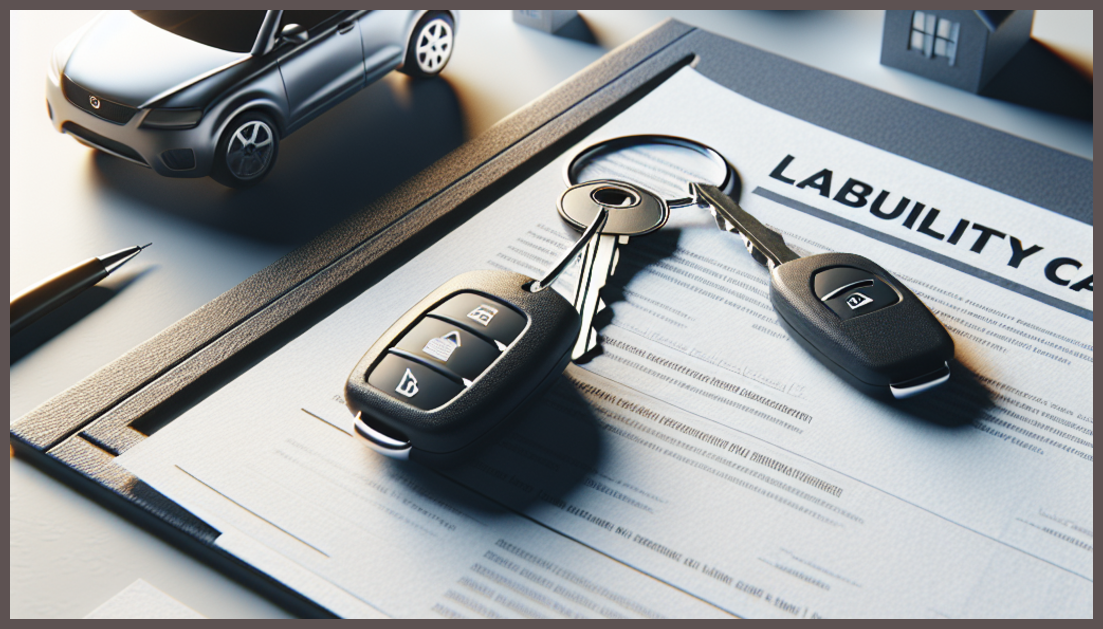
Understanding Liability Insurance for New Drivers
Liability insurance is often categorized into two main components: bodily injury liability and property damage liability. Bodily injury liability covers expenses related to injuries that you might cause to others in an accident. This can include medical bills, rehabilitation costs, and even lost wages for the injured party. Property damage liability, on the other hand, takes care of the damage caused to someone else’s property, such as their vehicle or a fence.
As a new driver, it’s crucial to choose coverage that meets or exceeds your state’s minimum requirements. A safer approach is to opt for higher limits, which can offer you better protection in the event of a serious accident. By having enough coverage, you’ll alleviate the financial burden that often accompanies unexpected incidents. To better understand your options, read more about higher auto insurance coverage limits.
Factors Affecting Your Liability Insurance Premiums
Several factors influence how much you will pay for liability insurance as a new driver. Your age, driving experience, and even your location can play significant roles in determining your premium. Young drivers are often considered higher risk, which means they may pay more for insurance compared to more experienced drivers. Additionally, the type of vehicle you own can impact your rates as well, with sports cars typically costing more to insure.
It’s also important to shop around and compare rates from different insurers. Many companies offer discounts that can significantly lower your premiums. For instance, you might qualify for a low-mileage discount or a bundle discount if you have other insurance policies with the same provider. To learn more about how to maximize these benefits, take a look at maximizing discounts on used car insurance.
Choosing the Right Coverage Limits
When selecting your liability insurance limits, consider your personal circumstances and assets. Choosing a minimum policy might save you money initially, but it could leave you vulnerable in the event of a severe accident. Experts recommend selecting limits that cover your assets and future income potential. This way, you can protect yourself from lawsuits and financial hardships that might arise after an accident.
Many new drivers overlook the importance of gap insurance, which can provide additional peace of mind by covering the difference between your car’s current market value and the amount you owe on your loan if the car is totaled. For a detailed breakdown of this type of coverage, refer to understanding gap insurance costs and benefits.
Common Misconceptions About Liability Insurance
New drivers often fall prey to misconceptions regarding liability insurance. A prevalent myth is that having liability insurance means you’re fully covered for all situations. However, liability insurance only covers damages and injuries to others; it does not protect your own vehicle or medical expenses. Understanding these distinctions is essential to avoid unnecessary out-of-pocket costs after an accident.
Another misconception is that all liability coverage is the same. Policies can differ significantly in their terms, exclusions, and conditions. Therefore, it’s vital to read and understand your policy before signing up. Always ask your insurance agent for clarification on terms that you find confusing to ensure that you have the right coverage for your needs and budget.
Steps to Getting Liability Insurance
Securing liability insurance as a new driver doesn’t have to be overwhelming. Follow these steps to make the process smoother:
- Research different insurance providers and their offerings.
- Request quotes based on your driving profile.
- Compare coverage limits and premiums.
- Consult an insurance agent to clarify any questions.
- Finalize your purchase and review your policy annually.
For additional tips on navigating insurance quotes and understanding different policies, you can check out compare auto insurance quotes to see various options available in your region.
How Liability Insurance Works After an Accident
In the event of an accident where you’re at fault, liability insurance kicks into action to cover the damages. You’ll typically need to report the incident to your insurance company as soon as possible to start the claims process. Your insurer will then review the details and manage any claims filed against you due to your liability in the accident.
It’s important to keep all documentation related to the accident, including police reports, medical bills, and correspondence with your insurance company. This documentation can help support your case in the claims process. For an in-depth look at preparing for claims, consider reading understanding student car insurance costs, which covers these steps in more detail.
Best Practices for New Drivers
As a new driver, practicing safe driving habits not only protects others but helps you maintain lower insurance premiums. Avoid distractions while driving and adhere to speed limits to minimize your risk of being involved in an accident. Taking defensive driving courses can also help; many insurers offer discounts for completing these programs.
Furthermore, maintaining a clean driving record is essential. Traffic violations can increase your premiums substantially. By being a responsible driver, you can benefit from lower rates over time and enjoy the freedom of the road confidently.
FAQs About Liability Insurance for New Drivers
What is liability insurance?
Liability insurance covers the costs associated with injuries and damages you cause to others in an accident. It’s mandatory in most states and protects your financial assets.
How much liability insurance do I need as a new driver?
The amount of liability insurance you need varies by state. It’s crucial to meet at least the minimum required by law, but opting for higher limits is advisable.
Will liability insurance cover my own injuries?
No, liability insurance does not cover your injuries or damages to your own vehicle. You’ll need personal injury protection or collision coverage for that.
Can my rates go down after a year of safe driving?
Yes, many insurers review your rates annually, and a clean driving history can lead to lower premiums. Always notify your insurer if you maintain a good record.
What factors can affect my liability insurance premium?
Your premium can be influenced by your age, driving experience, type of vehicle, location, and any claims history.
Final Thoughts
Understanding liability insurance is crucial for new drivers looking to protect themselves and others on the road. By ensuring you have adequate coverage and adhering to safe driving practices, you can enjoy peace of mind while behind the wheel. Don’t forget to regularly review your policy and adjust it as necessary over time.
Get Your Auto Insurance Quote Now