

Electric vehicle insurance in California is not a separate type of auto policy. EV drivers generally use the same liability, collision, comprehensive and optional coverages as other drivers, but the vehicle’s battery, repair process, charging equipment, value and roadside needs can change what you should examine before choosing a policy.[6]
California’s insurance rules also matter. The state’s standard minimum liability limits are currently $30,000 per person and $60,000 per accident for bodily injury, plus $15,000 for property damage for policies issued or renewed on or after January 1, 2025.[1][2]
The useful question is therefore not whether you can buy a special “EV policy.” It is whether the policy you are considering handles the financial risks of your particular electric vehicle in a way you understand.
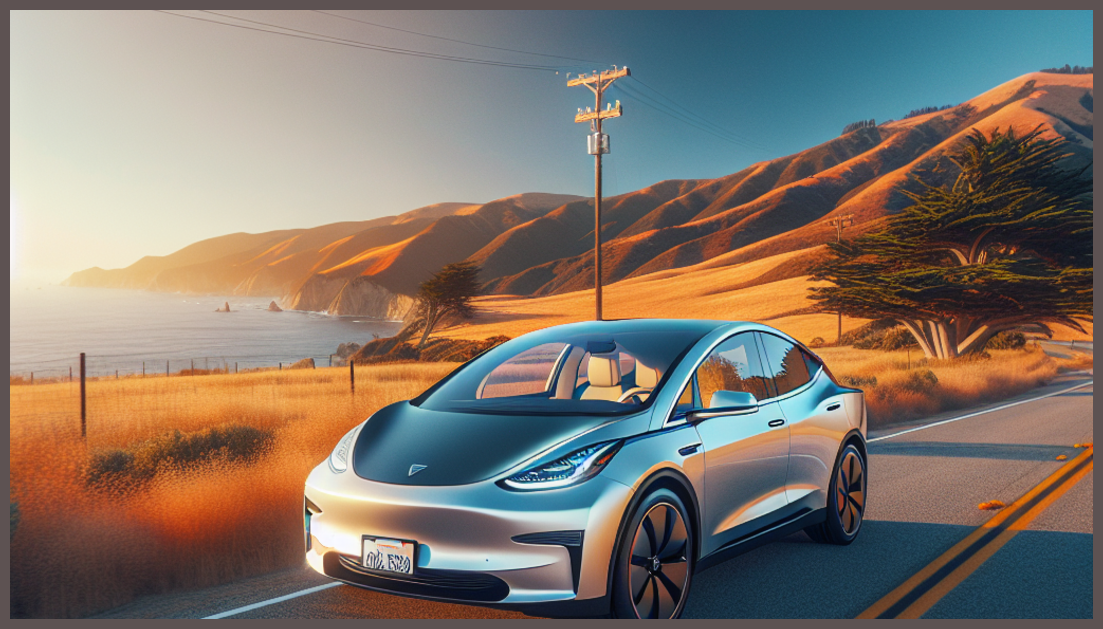
Electric Vehicle Insurance Uses Familiar Auto Coverages
Buying an EV does not create a new set of California liability requirements. The same core auto insurance structure still applies. What changes is the value and technology of the property being insured and, potentially, the cost and complexity of repairing it.
| Coverage | What It Generally Does | EV-Specific Question to Ask |
|---|---|---|
| Liability | Helps pay for covered bodily injury or property damage you cause to others. | Your EV does not change California’s minimum liability rules. Decide whether the legal minimum provides enough protection for your situation. |
| Collision | Helps pay for covered damage to your vehicle after a collision with another vehicle or object, subject to the policy and deductible. | Ask how battery-pack, sensor and other EV-component damage is handled when it results from a covered collision. |
| Comprehensive | Can cover specified non-collision losses such as theft, fire, vandalism, windstorm, flood or falling objects. | Understand the difference between battery damage caused by a covered peril and battery degradation or mechanical failure. |
| UM/UIM | Can provide protection when an at-fault driver has no insurance or insufficient insurance, subject to California rules and your policy. | Verify whether each quote includes the same UM/UIM selection and limits. |
| Medical Payments | Can pay covered medical expenses for you and passengers regardless of fault, up to the selected limit. | Compare the same limit across quotes rather than assuming it is automatically included. |
| Rental reimbursement | Can help pay rental costs while your vehicle is being repaired after a covered loss, subject to policy limits. | Check the daily limit and maximum duration, especially if specialized EV repair could take time. |
| Roadside assistance | May provide towing and other roadside services. | Ask exactly what happens if the high-voltage battery is depleted away from a charger. |
| GAP | May address some or all of an eligible difference between a total-loss settlement and an outstanding auto loan or lease balance, subject to its terms. | Consider it when financing or leasing an EV whose loan balance could exceed its covered loss value. |
Do not confuse an EV-specific risk with an EV-specific coverage
A battery pack may be expensive, but that does not automatically mean you need a separate “battery insurance” product. The cause of the damage and the wording of the applicable coverage matter more than the name of the component. Start with California car insurance requirements before comparing additional coverage options.
Does an Electric Vehicle Automatically Cost More to Insure?
No. Some EVs can be relatively expensive to insure, but being electric does not by itself determine the premium.
Current insurer guidance points to factors such as the exact make and model, vehicle value, specialized parts, repair costs, battery-related repair complexity and availability of technicians or facilities equipped to work on the vehicle. Those factors can make some EV losses more expensive, but insurance pricing remains vehicle-specific.[6][8]
California adds another important layer. Insurance Code §1861.02 requires automobile rates and premiums to use three mandatory rating factors in decreasing order of importance: driving safety record, annual mileage and years of driving experience. Other factors may be used only as permitted under California’s regulatory framework.[3]
Exact EV model
Repair costs, parts availability, vehicle value and claim experience can differ substantially between EV models.
Driving record
California places the insured’s driving safety record first among the mandatory rating factors.
Annual mileage
Mileage is another mandatory California rating factor, making an accurate estimate important when comparing quotes.
Coverage choices
Liability limits, physical-damage coverage, deductibles and optional protections also affect what you pay.
Get an insurance quote before buying the EV
If you are deciding between two electric vehicles, quote the exact models before signing the purchase agreement. Two EVs with similar purchase prices can still have different insurance costs.
When Does Auto Insurance Cover an EV Battery?
The better question is not “Is the battery covered?” but “What caused the battery damage?”
Collision or comprehensive may respond when the battery is damaged as part of a covered loss. By contrast, California’s Department of Insurance states that comprehensive coverage does not cover mechanical breakdown, normal wear and tear or maintenance.[1] Current EV insurance guidance likewise distinguishes accident or covered-peril damage from gradual battery-capacity loss associated with age and use.[6]
| Battery Problem | Coverage to Investigate | Why the Cause Matters |
|---|---|---|
| Battery damaged in a covered crash | Collision | If the pack is damaged by the collision itself, it may form part of the vehicle’s covered physical-damage claim, subject to the policy, deductible and claim evaluation. |
| Battery damaged by a covered non-collision event | Comprehensive | A covered fire, flood, vandalism or other listed comprehensive peril may trigger coverage, depending on policy terms and the cause of loss. |
| Gradual capacity loss | Usually not standard collision/comprehensive | Normal aging and deterioration are fundamentally different from sudden accidental damage. |
| Manufacturing defect or recall issue | Manufacturer warranty or recall process may be relevant | A defect is not automatically an auto insurance loss merely because the affected component is expensive. |
| Mechanical or electrical breakdown without a covered external loss | Warranty, service contract or mechanical-breakdown product may be relevant | Standard comprehensive specifically does not function as general mechanical-breakdown coverage. |
Ask about diagnostics as well as replacement
After a crash, an EV may require inspection or testing to determine whether the high-voltage battery was damaged. Before a claim occurs, ask how your policy and insurer handle battery diagnostics after a covered event and what repair documentation may be required.
Physical-Damage Coverage Can Matter More Than the Age of the EV
California does not require collision and comprehensive as part of the standard liability minimum. However, lenders and leasing companies commonly require physical-damage coverage while they have a financial interest in the vehicle.[1]
That distinction matters because many EVs are financed or leased. Dropping collision or comprehensive simply to reduce the premium could violate the finance agreement or leave you exposed to a large vehicle loss.
Vehicle value
Consider the current value of the EV and the financial impact if you had to replace it without physical-damage coverage.
Deductible
A higher deductible may lower the premium, but it increases what you must absorb after a covered loss.
Lender requirements
Check the finance or lease agreement before reducing collision or comprehensive coverage.
EV Total-Loss Value and Your Loan Balance Are Two Different Numbers
California’s Department of Insurance states that a standard physical-damage claim generally pays the lesser of the amount necessary to repair the vehicle or its actual cash value. Unless otherwise defined by the policy, California describes actual cash value as fair market value.[4]
Your lender, however, cares about the outstanding loan balance. CDI specifically warns that the borrower remains responsible for the loan even when a vehicle is stolen or damaged beyond repair. If the claim settlement is below the loan balance, the lender can still expect the borrower to pay the difference.[4]
Simple hypothetical example
Suppose an EV is totaled when its covered loss value is $32,000 but the remaining auto loan is $38,000. The $6,000 difference does not disappear because the vehicle was totaled. A qualifying GAP product may address some or all of an eligible deficiency, subject to its contract terms, limits and exclusions.
This issue is not unique to EVs, but it can be especially important for a recently purchased or highly financed electric vehicle because loan balances can exceed vehicle value early in ownership.
Is Your Home EV Charger Covered by Car Insurance?
Do not assume that a charger installed at your home automatically belongs under the auto policy. Coverage can depend on whether the equipment is portable or permanently installed, where it is located and how the homeowners, renters, condo and auto policies define covered property.[7]
| Charging Setup | Coverage Question | What to Verify |
|---|---|---|
| Portable charging cable stored with the EV | Portable equipment may be treated differently from a permanently installed home charger. | Ask the auto insurer how the cable is classified. Some insurer guidance indicates that a portable cord stolen from the vehicle may fall under auto coverage, but treatment depends on the policy.[6] |
| Hardwired Level 2 charger in a garage | Is it treated as part of the dwelling or under another property-policy provision? | Ask the homeowners insurer whether the unit, wiring and installation are covered and under which limit. |
| Charger installed on a detached structure or post | Does dwelling, other-structures or another coverage apply? | Confirm the classification rather than assuming the same treatment as an attached garage. |
| Condo installation | Does the unit fall under the owner’s policy, association responsibility or another arrangement? | Review the condo documents and ask the property insurer before installation. |
| Rental property installation | Who owns and insures the equipment? | Get landlord approval and clarify coverage before modifying electrical infrastructure. |
| Charger damaged or stolen | Which policy and deductible would respond? | Ask both property and auto insurers before a loss rather than discovering the answer during a claim. |
A home charger creates a cross-policy question
The vehicle generally belongs under the auto policy, while permanently installed charging equipment may involve the property policy. Coverage varies, so tell both insurers exactly what equipment you have and where it is installed.
What Happens If Your EV Runs Out of Charge?
There is no need to invent a separate “charging outage” or “readiness” coverage. The real issue is what the roadside-assistance contract does when a vehicle becomes stranded with a depleted high-voltage battery.
Roadside programs vary. For example, Progressive currently states that its roadside coverage can arrange towing of a depleted EV within a specified radius or to the nearest qualified charging facility under its program terms.[9]
Tesla’s separate vehicle Roadside Assistance program illustrates why the details matter. Tesla currently says it can assist when a vehicle is out of range because its battery is depleted, but that transportation service is not financially covered under the Tesla Roadside Assistance benefit.[12]
Ask these questions before adding roadside coverage
“EV roadside assistance” can mean different things depending on the company.
- ✓Where will the EV be towed?Nearest charger, qualified facility, repair shop or another destination?
- ✓How many miles are included?Check mileage limits and charges beyond those limits.
- ✓Is depleted-range towing covered?Do not assume it is treated the same as a mechanical breakdown.
- ✓Is mobile charging actually offered?A towing benefit does not automatically mean the provider can recharge the EV at roadside.
- ✓Are service-call limits imposed?Review annual event limits and any additional charges.
Ask How the Insurer Handles Parts, Repair Shops and Calibration
EV repairs can involve high-voltage systems, cameras, sensors, structural components and electronic calibration. The exact repair process depends heavily on the vehicle.
California also has specific rules regarding replacement crash parts. Under 10 CCR §2695.8(g), an insurer cannot require non-OEM replacement crash parts unless regulatory requirements are satisfied, including standards concerning kind, quality, safety, fit and performance.[5]
| Question to Ask | Why It Matters for an EV | What to Look For |
|---|---|---|
| Can I choose the repair facility? | Not every shop has the same experience with high-voltage EV systems or a particular manufacturer’s repair procedures. | Understand your rights, insurer procedures and any network-related benefits before a claim occurs. |
| How are OEM and non-OEM crash parts handled? | Parts selection can affect repair procedures, availability and cost. | Review California’s replacement-part rules and the insurer’s policy language. |
| Who pays for required calibration? | Cameras, radar, sensors or driver-assistance systems may require calibration after certain repairs. | Ask how necessary post-repair procedures are documented and approved as part of a covered claim. |
| How is battery damage evaluated? | External damage may not reveal the full condition of a high-voltage pack. | Ask what diagnostic evidence is required after a covered collision. |
| How is a total loss valued? | An EV’s outstanding loan amount is not the same thing as its actual cash value. | Understand the valuation process and any appraisal provision in your policy. |
Tesla Insurance Works Differently in California Than in Many Other States
Tesla currently offers Tesla Insurance in California and allows California residents to obtain Tesla Insurance for vehicles that were not manufactured by Tesla.[10]
However, one widely discussed Tesla Insurance feature works differently in California: Tesla does not use Safety Score information to determine California insurance premiums.[10]
Tesla also states explicitly that its Real-Time Insurance product is not available in California. California policyholders may have access to Safety Score for educational purposes, but Tesla says it does not determine their California monthly premium.[11]
| Tesla Insurance Question | Current California Answer |
|---|---|
| Is Tesla Insurance available in California? | Yes. |
| Can California residents insure a non-Tesla vehicle through Tesla Insurance? | Tesla currently says California residents can obtain its insurance for vehicles not produced by Tesla. |
| Does California Tesla Insurance offer liability, collision and comprehensive? | Tesla lists these among its available California coverage types, subject to the policy details. |
| Does Safety Score set the premium in California? | No. Tesla explicitly states that Safety Score does not determine the California premium. |
| Is Tesla Real-Time Insurance available in California? | No. |
Do not apply Tesla’s national insurance descriptions blindly to California
Tesla’s Real-Time Insurance and Safety Score pricing rules differ by state. When researching Tesla Insurance, make sure the information you are reading specifically applies to California.
Are There Special Car Insurance Discounts for EVs in California?
No. An electric vehicle should not be assumed to qualify for a special insurance discount merely because it is electric.
Discount availability varies by insurer. Progressive, for example, currently states that it does not offer a specific EV discount, even though its customers may qualify for other discounts.[8]
California drivers have another important consideration: the statutory Good Driver Discount policy. Insurance Code §1861.02 requires the rate for a qualifying Good Driver Discount policy to be at least 20% below what the same insurer otherwise would have charged that driver for the same coverage.[3]
Compare the final premium, not the discount label
An insurer offering an “EV discount” is not automatically cheaper than an insurer without one. Different California discount programs should be evaluated together with the final premium, equivalent coverage and deductibles.
How to Compare Electric Vehicle Insurance Quotes in California
For an EV, apples-to-apples comparison requires more than entering the same ZIP code on several websites. Use the exact same vehicle, driver information, limits, deductibles and optional coverage first. Then investigate the EV-specific details.
| Compare This | Keep Consistent | EV-Specific Check |
|---|---|---|
| Liability | Same bodily injury and property damage limits | Do not let a lower-liability quote appear artificially cheaper. |
| Collision | Same deductible | Ask how the insurer handles EV battery and technology damage following a covered crash. |
| Comprehensive | Same deductible | Understand covered external perils versus mechanical failure or degradation. |
| UM/UIM | Same election and limits | California requires the coverage to be offered, but it can be rejected through the applicable waiver process. |
| Rental reimbursement | Same daily and maximum limits | Consider whether the benefit would be adequate if a specialized repair takes longer than expected. |
| Roadside assistance | Compare actual service terms | Check depleted-battery towing, distance limits and destination rules. |
| Parts and repair | Review policy and claims practices | Ask about OEM/non-OEM parts, battery diagnostics and required calibration. |
| GAP | Include or exclude consistently | Especially relevant when the EV is financed or leased and negative equity is possible. |
| Total price | Same policy period and payment basis | Compare the actual premium only after the protection is reasonably equivalent. |
California drivers comparing insurers should consider quote-shopping rules, rating factors, fees and insurer-verification steps when evaluating car insurance quote comparisons.
Insurance Checklist Before You Buy an Electric Vehicle
Quote first, buy second
A few questions before purchase can reveal costs and coverage gaps that are harder to fix after delivery.
- ✓Quote the exact EVUse the VIN when available, or at least the correct year, trim and model.
- ✓Check lender requirementsKnow what collision and comprehensive coverage the finance or lease agreement requires.
- ✓Ask about battery claimsClarify covered accidental damage versus degradation, defect and mechanical breakdown.
- ✓Ask about repair facilitiesFind out how the insurer handles specialized EV repair, diagnostics and calibration.
- ✓Review total-loss exposureCompare the amount financed with the risk that the vehicle’s ACV could fall below the loan balance.
- ✓Check GAP separatelyDo not assume your auto policy, finance contract or lease already contains equivalent protection.
- ✓Check home-charger coverageAsk both your auto and property insurer how installed and portable charging equipment is treated.
- ✓Read the roadside termsVerify what happens if the EV cannot reach a charging station.
- ✓Compare discountsAsk about discounts for which you actually qualify rather than assuming an EV automatically creates one.
- ✓Review the issued policyConfirm vehicles, drivers, limits, deductibles and optional coverages on the declarations page.
Nine EV Insurance Mistakes California Drivers Should Avoid
| Mistake | Better Approach |
|---|---|
| Assuming EV insurance is an entirely different policy | Start with normal auto coverage, then examine the EV-specific repair, battery, charger and roadside issues. |
| Assuming every EV costs more to insure | Quote the exact model. Repair cost, value and claim experience vary considerably by vehicle. |
| Buying “battery coverage” without asking what causes are covered | Separate collision or comprehensive damage from degradation, defects and mechanical failure. |
| Assuming a home charger belongs under the auto policy | Ask both your property and auto insurers how the specific equipment is classified. |
| Assuming roadside assistance means mobile charging | Check whether the benefit provides towing, charging or another service and what limits apply. |
| Ignoring GAP on a heavily financed EV | Compare the potential loan balance with how a total-loss claim would be valued. |
| Assuming an EV discount guarantees a lower rate | Compare final premiums for equivalent coverage after all discounts. |
| Assuming Tesla Safety Score determines California premiums | Use California-specific Tesla Insurance information; Tesla currently says Safety Score does not determine California premiums. |
| Comparing quotes with different deductibles or coverage | Normalize the protection before deciding which insurer offers better value. |
Frequently Asked Questions About EV Insurance in California
Do electric cars need special insurance in California?
Not usually. EVs generally use the same core auto insurance coverages as gasoline vehicles, including liability, collision and comprehensive. The important differences involve factors such as vehicle value, battery damage, specialized repairs, charging equipment and roadside needs.[6]
What are the minimum insurance limits for an electric car in California?
For policies issued or renewed on or after January 1, 2025, California’s standard minimum liability limits are $30,000 for bodily injury to one person, $60,000 per accident for bodily injury and $15,000 for property damage. The fact that the vehicle is electric does not create a different standard minimum.[2]
Does car insurance cover an EV battery?
It can when the battery is damaged by a covered event. For example, collision may apply when a covered crash damages the battery, while comprehensive may apply to damage caused by a covered non-collision peril. Normal degradation, wear and tear, maintenance and ordinary mechanical breakdown should not be assumed to be covered by standard physical-damage insurance.[1][6]
Does comprehensive insurance pay for normal EV battery degradation?
California’s Department of Insurance states that comprehensive coverage does not cover mechanical breakdown, normal wear and tear or maintenance. Gradual capacity loss should therefore not be treated as though it were the same thing as sudden battery damage caused by a covered event.[1]
Does car insurance cover a Level 2 charger installed at home?
Do not assume so. Permanently installed charging equipment may involve your homeowners, renters or condo policy, while some auto insurers may offer relevant endorsements or treatment for certain charging equipment. Coverage depends on the contracts, installation and insurer, so ask both carriers.[7]
Do lenders require full coverage on financed electric vehicles?
“Full coverage” is not a standardized policy term, but lenders and leasing companies commonly require collision and comprehensive coverage while they have a financial interest in a vehicle. California itself does not require collision and comprehensive as part of its standard minimum liability law.[1]
Should I buy GAP for an electric vehicle?
It depends on the financing arrangement and the risk of owing more than the vehicle’s covered loss value. California’s Department of Insurance notes that the borrower remains responsible for the loan balance after a total loss and identifies GAP as a product commonly used to address this situation.[4]
Are electric vehicles automatically eligible for insurance discounts?
No. Discount programs vary by insurer. Progressive, for example, currently states that it does not offer a specific EV discount. California drivers may instead qualify for other discounts, including the statutory Good Driver Discount when the legal eligibility requirements are met.[8][3]
Does Tesla Insurance use Safety Score to price policies in California?
No. Tesla currently states that Safety Score information does not determine Tesla Insurance premiums in California. Safety Score may be available to California policyholders for educational purposes.[10]
Is Tesla Real-Time Insurance available in California?
No. Tesla currently states explicitly that Real-Time Insurance is not available in California and that its California insurance product does not use Safety Score to determine the monthly premium.[11]
Can Tesla Insurance cover a non-Tesla vehicle in California?
Currently, yes. Tesla states that California residents can obtain Tesla Insurance for vehicles that were not produced by Tesla, subject to its eligibility and underwriting requirements.[10]
What should I compare first when shopping for EV insurance?
Start with identical liability limits, UM/UIM choices, collision and comprehensive deductibles and optional coverages. Then compare EV-specific details such as battery claims, repair procedures, roadside assistance, rental coverage, charger treatment and GAP. Only compare the final premium after the policies are reasonably equivalent.
The Best EV Policy Is the One Whose Gaps You Understand
Electric vehicles do not require California drivers to abandon the fundamentals of auto insurance. Liability, collision, comprehensive, UM/UIM and optional coverages still form the foundation.
The difference is in the questions you should ask. Determine how battery damage is handled, what happens after a total loss, whether your financing creates GAP exposure, how your charger is insured, what roadside assistance actually provides and how the insurer approaches EV repairs and replacement parts.
Then compare those terms across insurers using the same coverage limits and deductibles. That produces a much more meaningful comparison than simply looking for a company advertising an “electric vehicle discount.”
Before you buy the EV
Get at least one insurance quote on the exact model and ask about battery damage, repair facilities, physical-damage deductibles, roadside assistance and total-loss treatment. Insurance is part of the ownership cost, and it is easier to compare before the purchase is final.
References
- California Department of Insurance. Automobile Insurance Guide. California guidance on liability, collision, comprehensive, UM/UIM, UMPD, MedPay, towing, rental reimbursement, lender requirements, GAP and exclusions for mechanical breakdown, wear and maintenance. ↩
- California Legislative Information. Vehicle Code §16056. California motor vehicle liability limits applicable to policies issued or renewed on or after January 1, 2025. ↩
- California Legislative Information. Insurance Code §1861.02. California automobile rating factors and statutory Good Driver Discount rate requirements. ↩
- California Department of Insurance. So You’ve Had an Accident, What’s Next? California guidance on physical-damage claims, actual cash value, total-loss settlements, loan balances, GAP and repair procedures. ↩
- California Department of Insurance. CCR §2695.8(g): Non-OEM Replacement Crash Parts. California requirements governing an insurer’s use of non-original equipment manufacturer replacement crash parts. ↩
- State Farm. Electric Car Insurance Explained: Costs and Coverage. Current EV insurance guidance addressing standard auto coverages, battery damage, repair factors, charging equipment and other EV-specific insurance considerations. ↩
- State Farm. EV Home Charging and Homeowners Insurance: What to Know. Guidance on portable and permanently installed EV chargers and their interaction with auto, homeowners, renters and condo policies. ↩
- Progressive. Car Insurance Costs for Electric Vehicles. Consumer guidance on EV insurance pricing, model-specific repair factors and EV-specific discount availability. ↩
- Progressive. Roadside Assistance. Current roadside program information describing assistance for electric vehicles with depleted batteries. ↩
- Tesla. Tesla Insurance in California. California-specific information on Tesla Insurance, available coverages, non-Tesla vehicles and Safety Score treatment. ↩
- Tesla. Tesla Real-Time Insurance. Tesla guidance confirming that Real-Time Insurance is not available in California and that California premiums are not determined by Safety Score. ↩
- Tesla. Roadside Assistance. Tesla guidance explaining roadside services and the treatment of a vehicle that cannot reach a charging station because its battery is depleted. ↩